

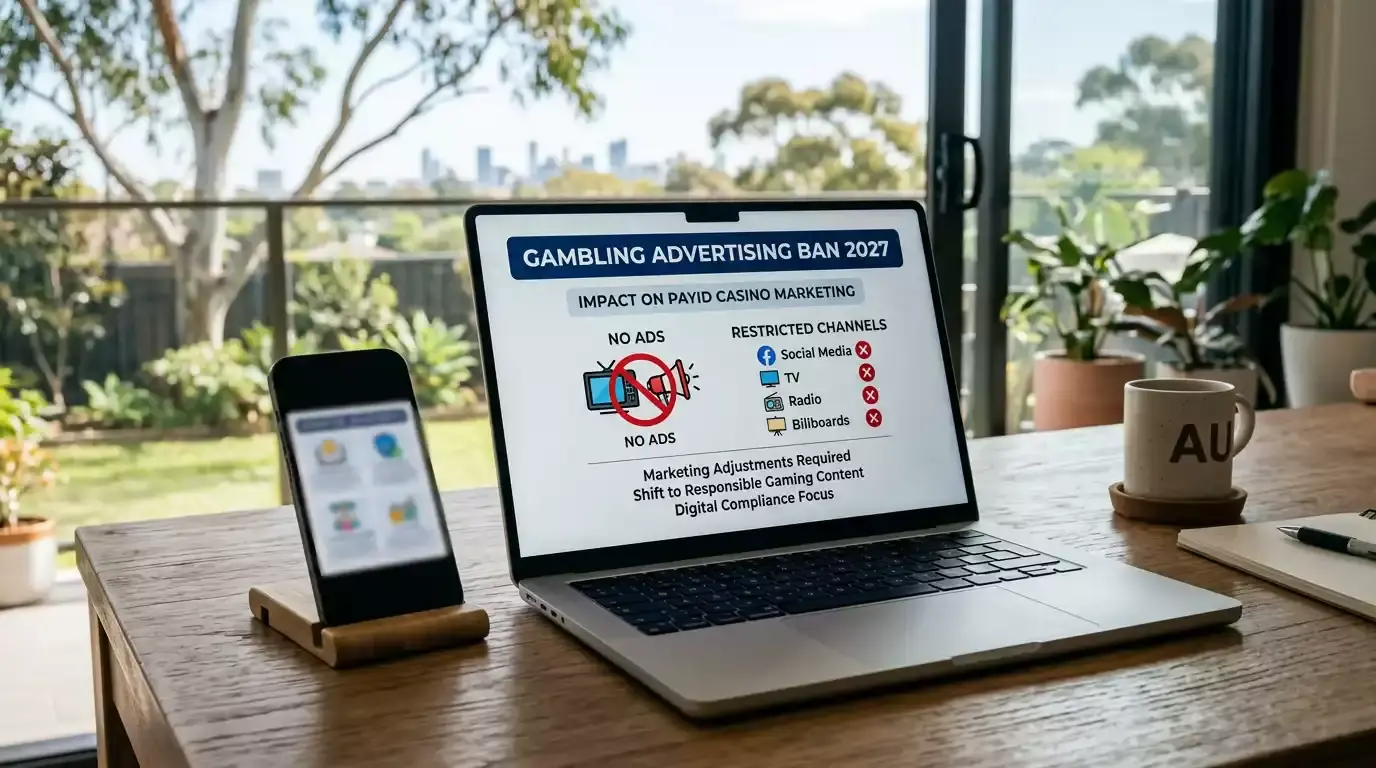
On 2 April 2026, the Australian Government announced a sweeping package of gambling advertising reforms. The centrepiece: a ban on gambling advertisements during live sports broadcasts, on sporting venue signage, and on player uniforms — taking effect from 1 January 2027. This follows a period in which more than one million gambling advertisements aired on free-to-air television and radio between May 2022 and April 2023, with 50 per cent coming from online gambling providers.
For PayID casino players, the advertising ban reshapes how you will discover operators, evaluate promotions, and navigate a market where visibility will shift from broadcast media to digital channels. This analysis covers the scope of the reforms and what they mean in practice.
Scope of the 2027 Gambling Advertising Restrictions
The reforms target three primary channels. First, gambling advertising during live sports broadcasts on television and radio will be prohibited. This removes the most visible form of gambling promotion — the mid-match odds updates, the half-time betting segments, and the pre-game promotional spots that have become a fixture of Australian sports coverage.
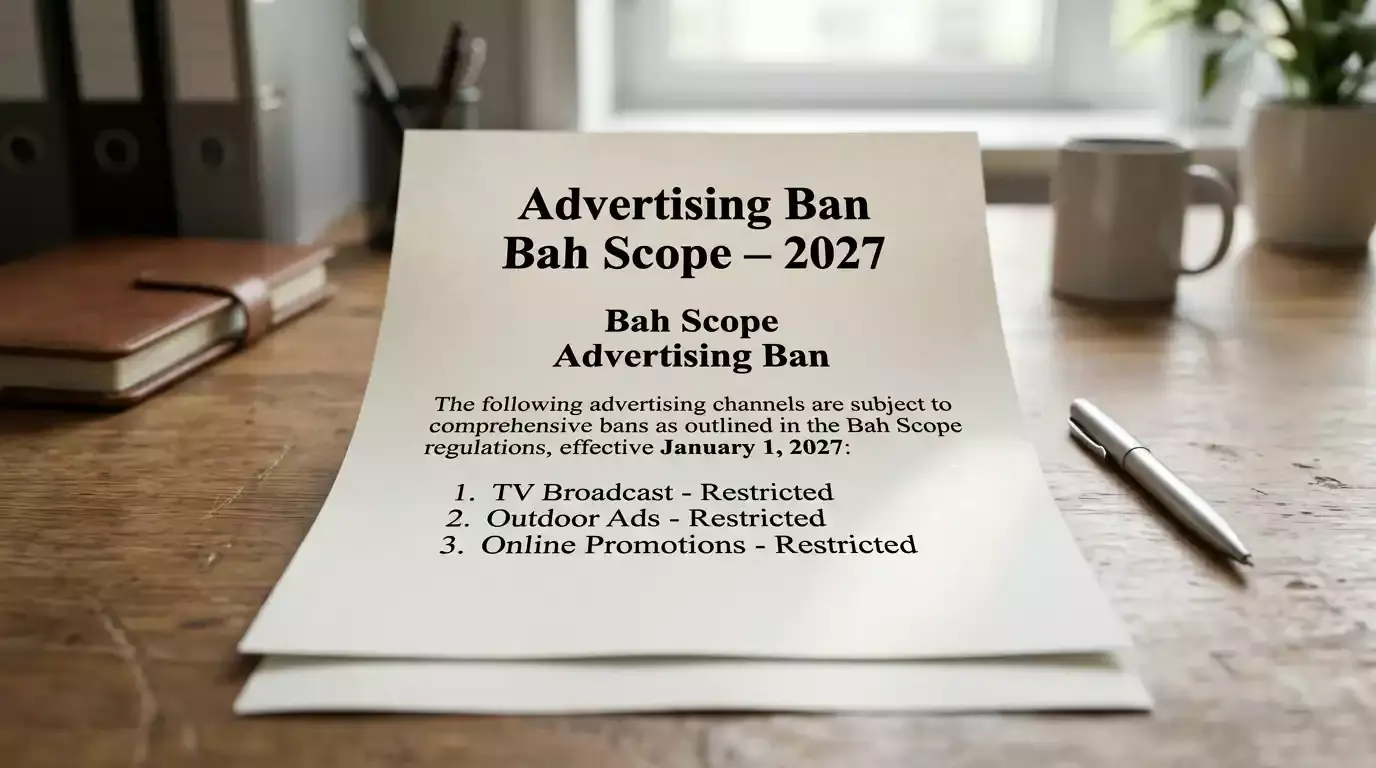
Second, gambling branding on sporting venue infrastructure — including stadium signage, pitch-side boards, and electronic displays — will be removed. Third, gambling logos on player uniforms will be banned. These three measures collectively remove gambling advertising from the live sports environment, which has been the primary acquisition channel for online wagering operators in Australia.
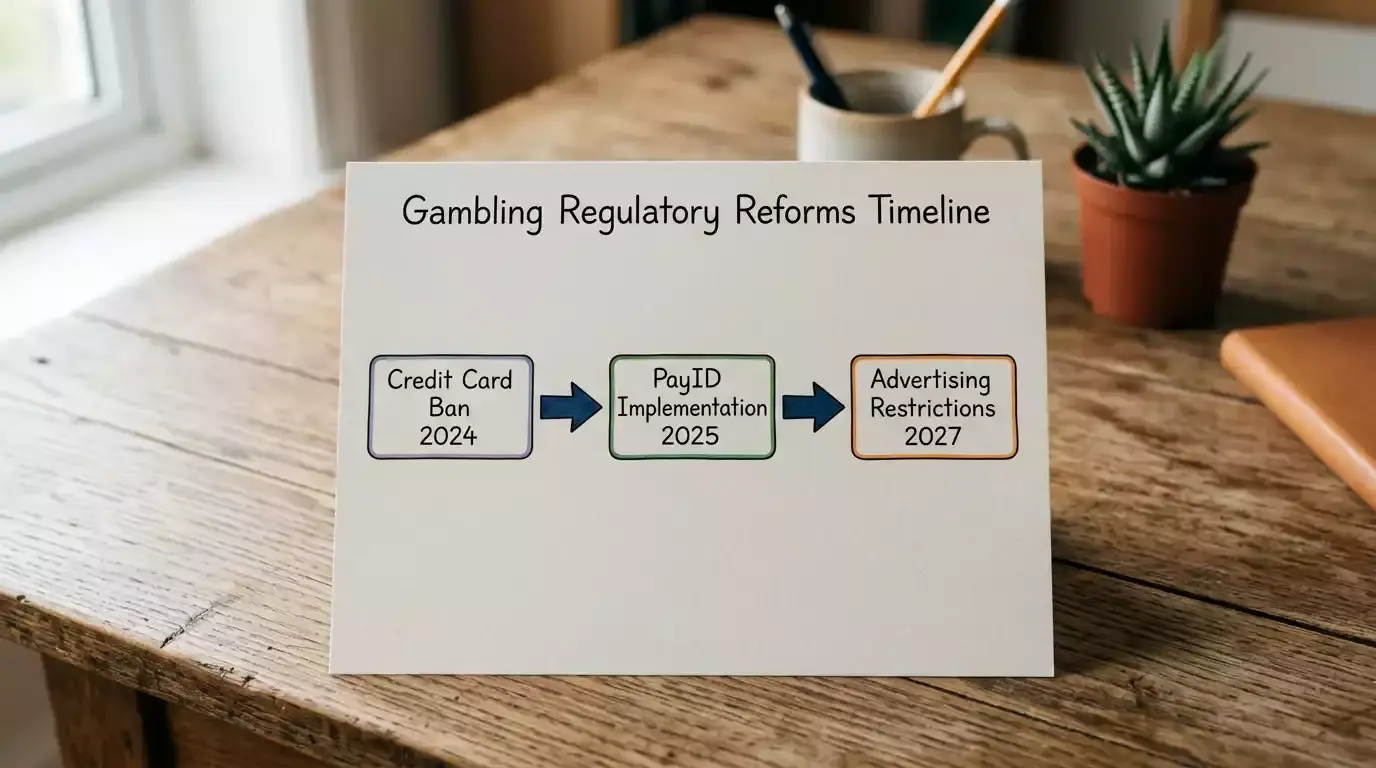
The reforms sit within a broader regulatory trajectory that includes the credit card gambling ban from June 2024, escalating ACMA enforcement against illegal operators, and the BetStop self-exclusion register. Each measure tightens a different dimension of the gambling ecosystem — payment methods, site accessibility, self-exclusion infrastructure, and now advertising exposure.
What the ban does not cover is equally important. Digital advertising — search ads, social media promotions, display banners, and email marketing — is not included in the initial package. This means PayID casino operators will almost certainly redirect their marketing budgets from broadcast and venue channels to digital acquisition. Players should expect more targeted online advertising, affiliate marketing, and social media campaigns from both licensed and offshore operators.
How the Ad Ban Affects PayID Casino Players
The most immediate practical effect is reduced impulse exposure. Gambling advertisements during live sports are designed to trigger immediate action — “bet now while the game is live” — and removing that stimulus may reduce spontaneous deposits. For PayID users, this means fewer moments where the frictionless speed of PayID deposits combines with advertising-driven urgency.

The shift to digital marketing channels will change how players discover new operators. Instead of seeing a promoted casino during a cricket match, you will encounter operators through search results, review sites, social media, and direct referrals. This puts more responsibility on the player to evaluate operators independently — checking licensing, reading terms, and assessing payout reliability — rather than relying on the implicit legitimacy that comes with a brand visible on national television.
Offshore PayID casinos, which are not licensed in Australia, were never able to advertise on broadcast media anyway. The advertising ban primarily affects licensed domestic wagering operators. This creates an interesting dynamic: licensed operators lose their most powerful marketing channel, while offshore operators — which already rely on digital channels — face no change in their marketing capabilities. Whether this shifts market share toward offshore operators or simply reduces overall gambling exposure remains to be seen.
For players who rely on promotions and bonus offers discovered through advertising, the landscape will shift. Bonus comparisons will move further into digital-first channels, and the quality of information available through independent review will become more important as broadcast advertising disappears.