
Australian gambling losses reached AU$31.5 billion in the 2022–23 financial year, exceeding the country’s expenditure on aged care. That figure is not abstract — it represents the cumulative financial harm across millions of households. I have spent years analysing payment flows in the iGaming sector, and the intersection of responsible gambling tools with PayID’s real-time payment infrastructure is where practical harm reduction meets technological capability.
This guide covers the responsible gambling features available at PayID casinos and how the payment method’s transparency supports budgeting that other deposit methods cannot easily replicate.
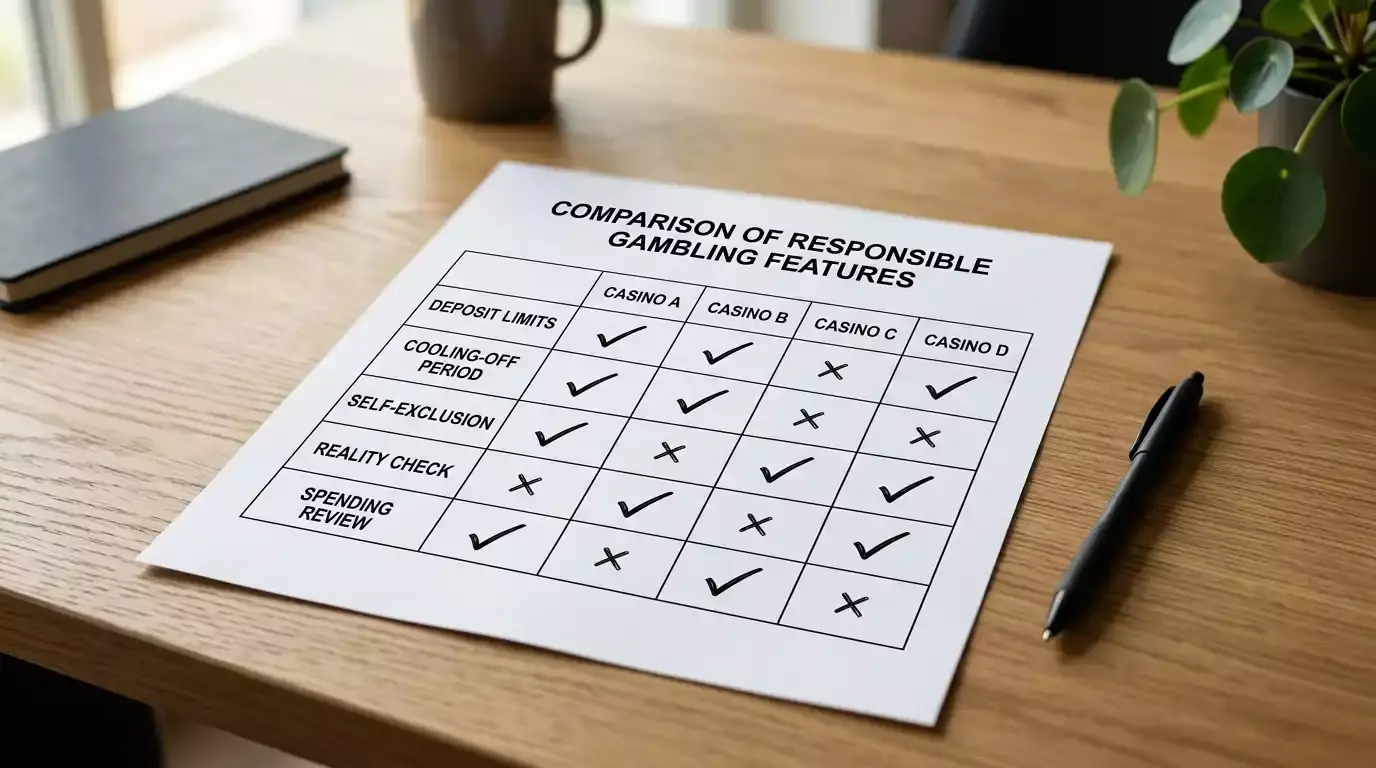
Available Responsible Gambling Features at PayID Casinos
Research from the Australian National University found that while overall gambling participation declined slightly to 58.8 per cent in 2025, levels of risky gambling are increasing. This means fewer people are gambling, but those who do are gambling more intensely. Responsible gambling tools are designed to address this intensity by giving players structural controls over their behaviour.

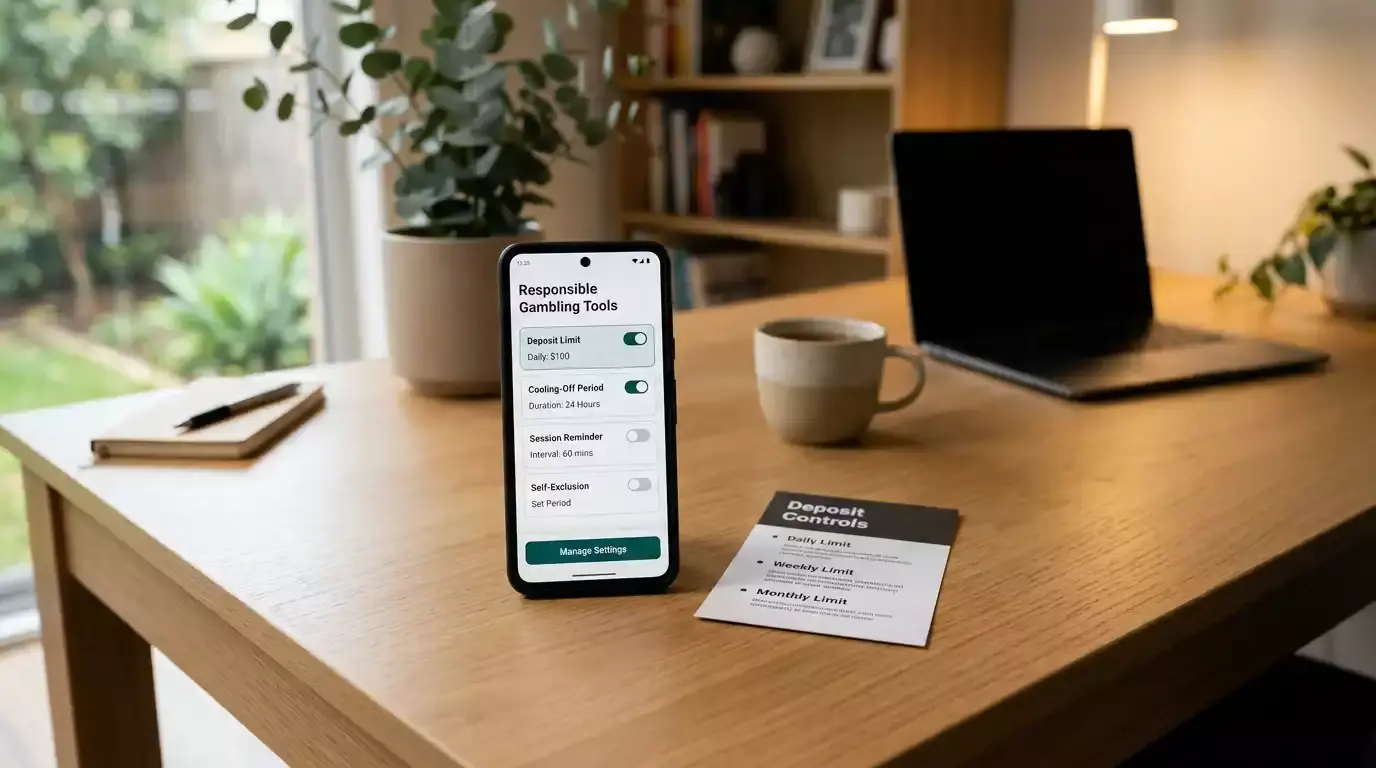
Deposit limits allow you to cap how much you can deposit per day, week, or month. Once set, increases require a cooling-off period — typically 24 to 72 hours — before taking effect. Decreases apply immediately. This asymmetry is intentional: it prevents you from raising limits impulsively during a session while allowing instant access to stricter controls.
Session time limits and reality checks interrupt your play at intervals you choose — typically every 30, 60, or 120 minutes. The casino displays a notification showing how long you have been playing and your net position for the session. Some operators pause gameplay until you actively dismiss the notification, forcing a moment of conscious decision-making.
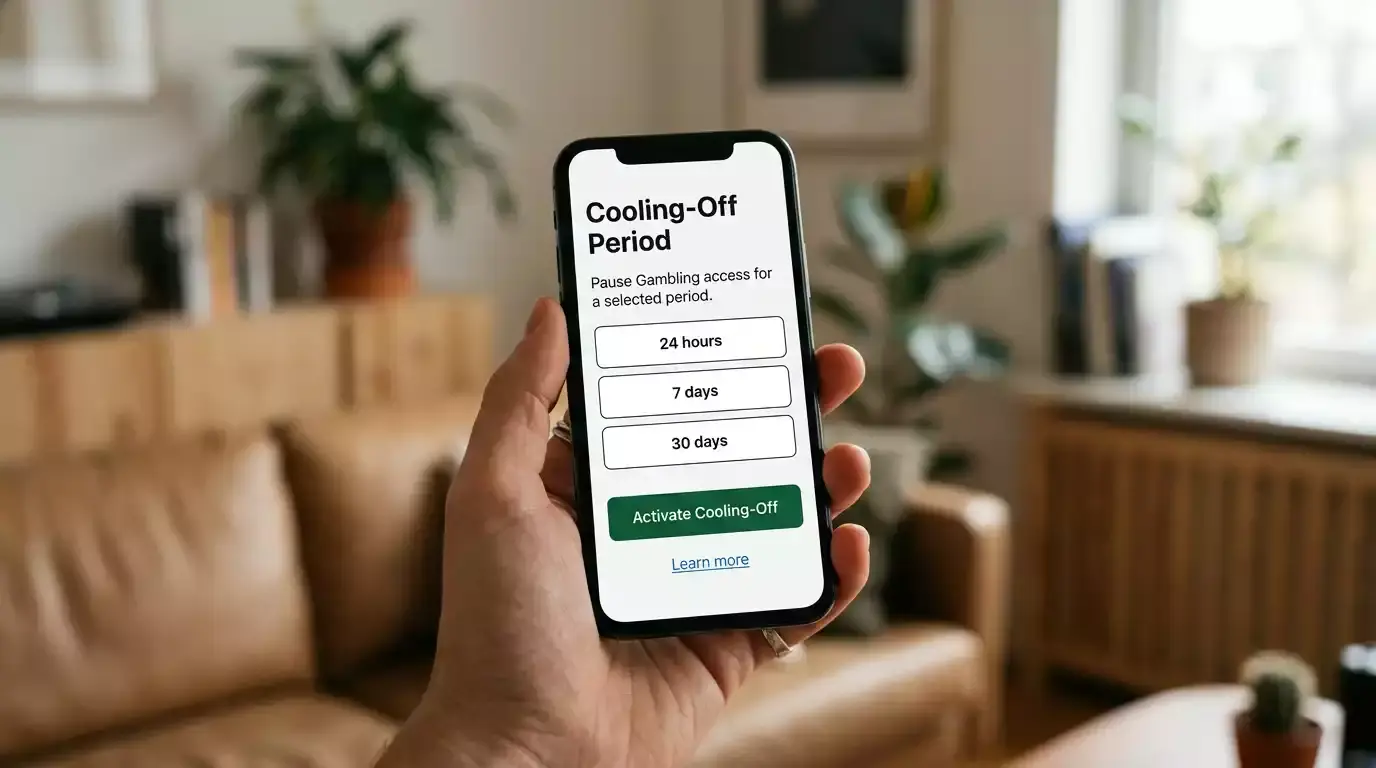
Cooling-off periods let you temporarily suspend your account for a set duration — 24 hours, a week, or a month — without permanently closing it. During a cooling-off period, you cannot log in, deposit, or play. Your balance and account history remain intact for when the period ends.
For more permanent measures, the BetStop self-exclusion guide covers Australia’s national self-exclusion register and its interaction with PayID.
Using PayID Transaction History for Budget Tracking
PayID adds a dimension of financial transparency that other deposit methods lack. Every PayID deposit appears in your banking app instantly — with the recipient name, amount, and timestamp. Unlike credit card transactions that can take days to post, or e-wallet balances that obscure the connection to your bank account, PayID deposits show up in real time alongside your everyday spending.

This visibility matters for budgeting. When your gambling deposits appear in the same transaction list as your groceries, rent, and utility payments, the relative scale of your gambling expenditure becomes immediately apparent. You do not need to log into the casino to check your deposit history — your bank app provides a complete, uneditable record.
Some banks now offer spending categorisation that tags transactions by merchant type. If your bank categorises PayID transfers to gambling operators, you can see aggregate gambling spend per week or month without manual tracking. This automated visibility is a practical budgeting tool that PayID enables by virtue of being a direct bank transfer rather than an intermediary payment method.
I recommend reviewing your bank app’s gambling transaction history at least weekly if you play regularly. Compare your actual deposits against the budget you set for yourself. If the numbers diverge, the responsible gambling tools at the casino — deposit limits, cooling-off periods, and session reminders — exist specifically to close that gap between intention and behaviour.