

As of May 2026, ACMA has blocked 1,708 illegal gambling and affiliate websites from being accessed in Australia. That number is not a lifetime total from decades of enforcement — it is the result of an accelerating campaign that has intensified every quarter. More than 230 unlicensed gambling services have voluntarily left the Australian market rather than face the blocking process. For anyone depositing at a PayID casino, understanding how this system works is not optional — it is the difference between informed participation and a nasty surprise when your operator’s URL stops loading one morning.
I track ACMA’s enforcement actions as part of my regular work in iGaming payment analysis, and the pattern is clear: the agency is blocking sites faster than new ones can establish themselves. The question for PayID casino players is not whether blocking will affect their chosen operator, but what happens to their money if it does.

How ACMA Identifies and Blocks Illegal Casino Sites
Between October and December 2025 alone, ACMA blocked 133 websites linked to illegal gambling services. That is roughly one site per day. The pace tells you something about the agency’s resourcing and intent — this is not a token effort or a checkbox exercise.
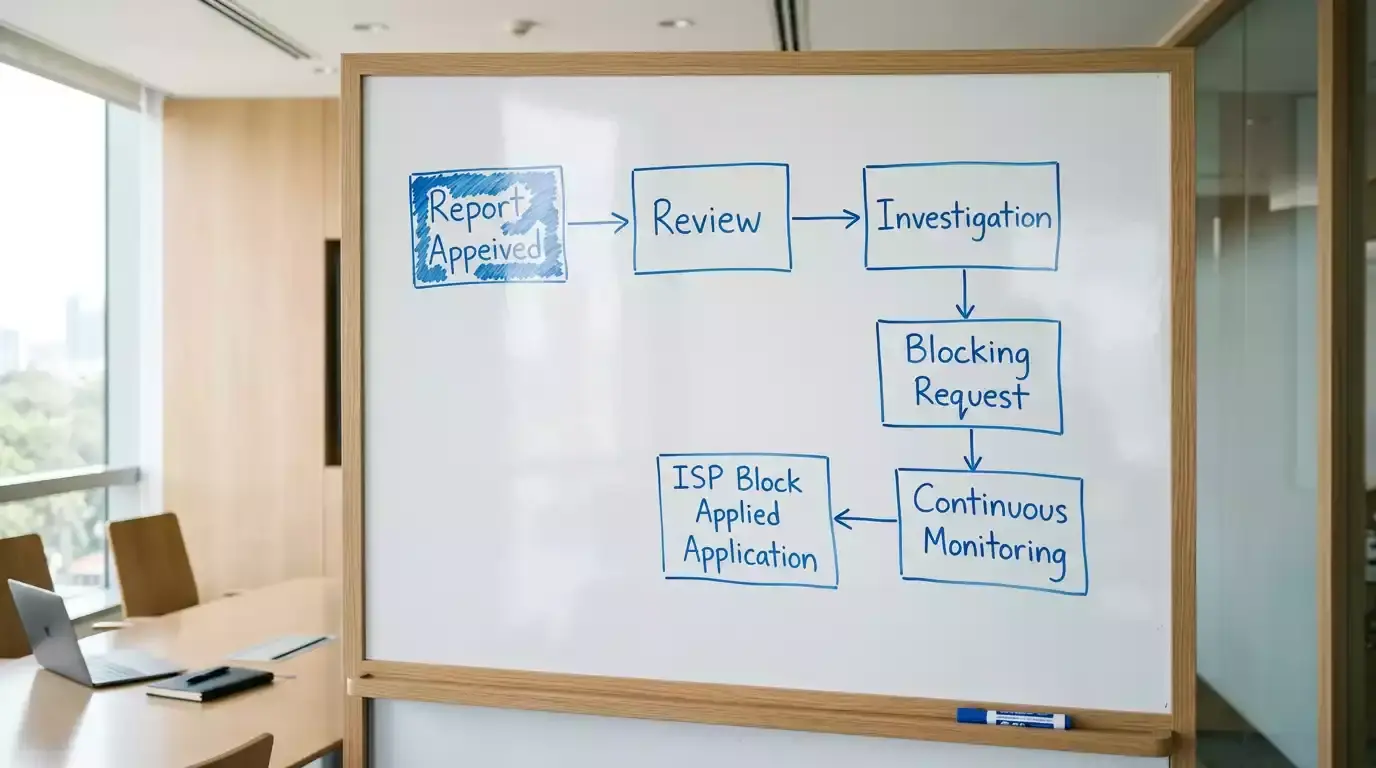
The process works in stages. ACMA identifies services that appear to be providing prohibited interactive gambling services to Australians under the Interactive Gambling Act 2001. Identification comes from multiple sources: consumer complaints, proactive monitoring, referrals from other agencies, and analysis of advertising and affiliate networks. Once ACMA determines that a service is operating in breach of the IGA, it can issue a formal request to Australian internet service providers to block access to the site’s domain names and URLs.
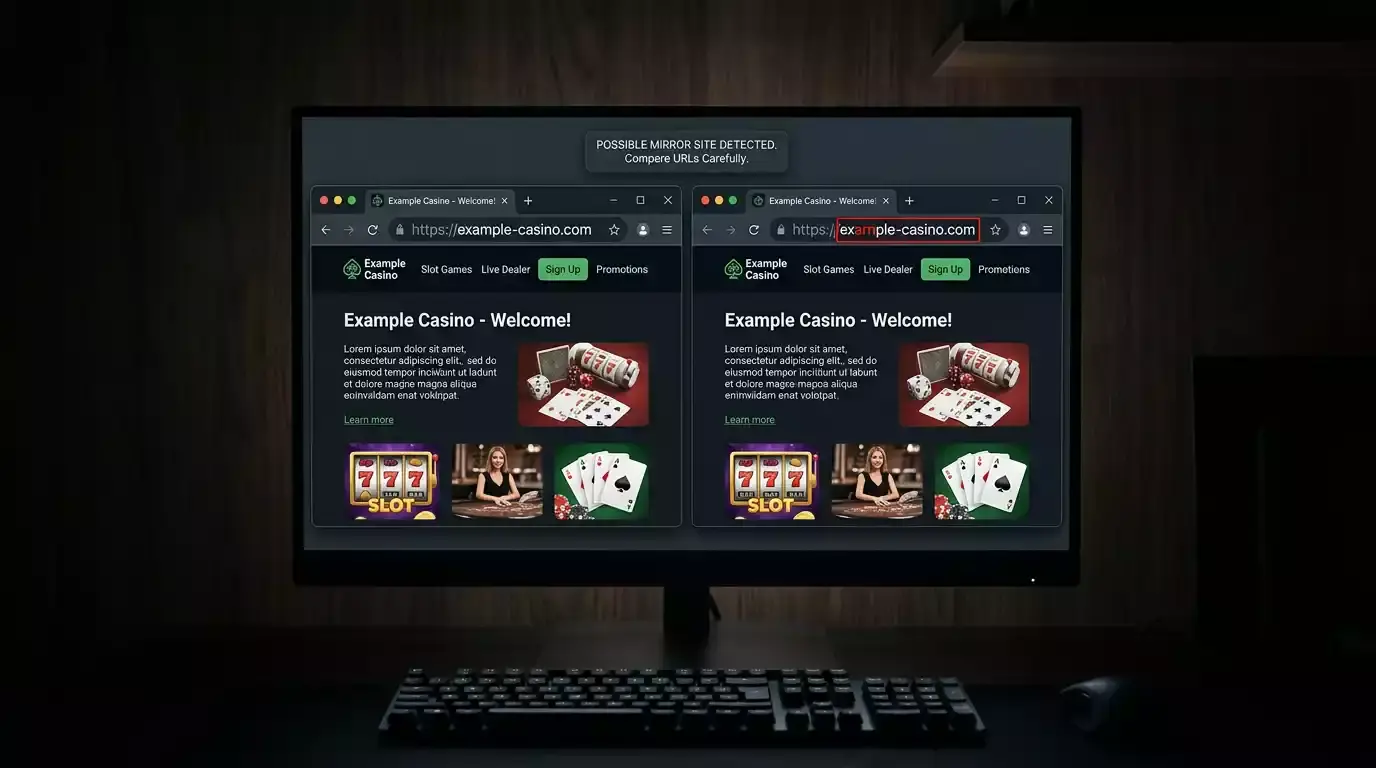
ISPs are legally obligated to comply with these requests. When a site is blocked, anyone accessing the internet through an Australian ISP — Telstra, Optus, TPG, and every smaller provider — receives an ACMA notification page instead of the casino’s homepage. The block applies to the domain, not to a specific server, so operators cannot simply change their hosting provider to circumvent it. They can, and frequently do, create mirror domains — alternative URLs that point to the same platform. ACMA then identifies and blocks those mirrors in subsequent enforcement rounds, creating a cycle of cat-and-mouse that consumes operator resources and disrupts player access.
What ACMA cannot do is block access through VPNs, which route traffic through servers outside Australia and bypass ISP-level blocking. However, ACMA has publicly signalled that it views circumvention negatively, and using a VPN does not change the legal status of the operator or provide any consumer protections if something goes wrong.
The blocking regime does not discriminate by payment method. Whether you deposit through PayID, card, crypto, or e-wallet, the operator’s legal status under the IGA is the same. PayID’s traceability means your banking records will clearly show transactions to the operator if the site is later blocked and questions arise about where your money went.
What Happens to Your Money if a PayID Casino Gets Blocked
This is the question that keeps me busiest. I have spoken with players who woke up to find their casino’s URL blocked by ACMA with an active balance on the platform. The scenarios that follow are not pretty, and they share a common thread: the absence of regulatory recourse.
When ACMA blocks a site, it does not seize the operator’s funds or intervene in the operator’s financial relationship with individual players. ACMA’s authority extends to blocking access and pursuing operators through legal channels — it does not include managing or recovering individual player balances. If you have AU$500 sitting in your account at an operator that gets blocked, ACMA is not the agency that will help you get it back.
Some operators continue to function for existing players after a block, using mirror domains or direct account access through non-Australian connections. Others cease operations entirely for Australian customers, with balances frozen indefinitely. A smaller number wind down responsibly, processing outstanding withdrawal requests before cutting off Australian access. Which scenario you face depends entirely on the specific operator, and there is no way to predict it in advance.

PayID adds a specific complication here. Unlike credit card transactions, which can sometimes be reversed through the chargeback process, PayID payments are irrevocable. Once a PayID transfer is confirmed and received, there is no mechanism in the banking system to reverse it. If an operator accepts your PayID deposit and then disappears — either through ACMA blocking or by choice — the payment cannot be recalled through your bank. Your bank may assist with a fraud investigation, but the technical architecture of the NPP does not support transaction reversal for authorised payments.
The practical lesson is risk management. Never maintain a large balance at any single operator, regardless of payment method. Deposit what you plan to play with in that session, and withdraw winnings promptly rather than letting them accumulate. If the operator processes PayID withdrawals in a few hours, there is no reason to leave funds sitting on the platform for days or weeks. The smaller your balance at any given time, the less you stand to lose if access is disrupted.
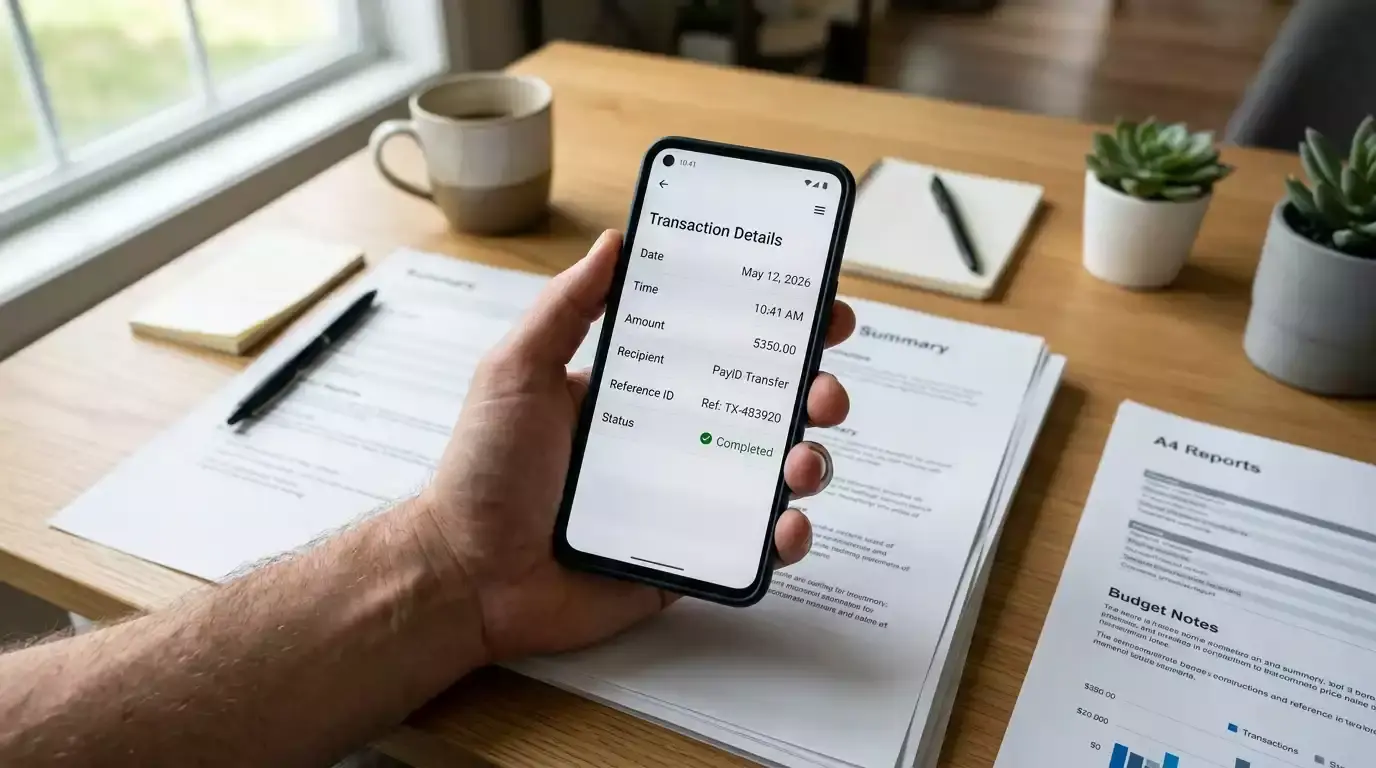
Keep records of every PayID transaction — your banking app stores these automatically with timestamps and recipient details. If an operator is blocked and you need to pursue a dispute, those records are your primary evidence. Document your account balance through screenshots before and after each session. This level of record-keeping feels excessive until the day you need it.