
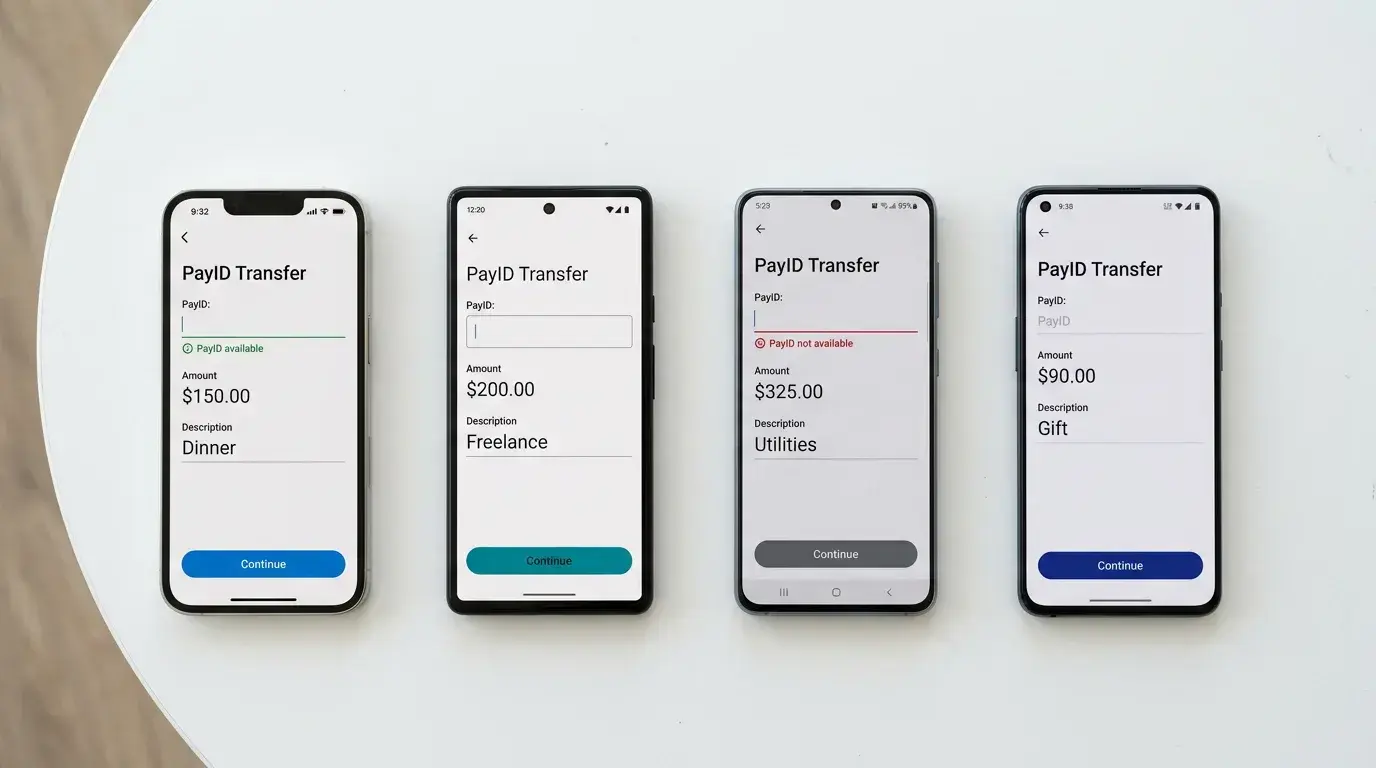
More than 110 banks and credit unions are connected to Australia’s NPP, which means over 110 institutions technically support PayID. But “supporting PayID” and “allowing PayID transfers to gambling operators” are not the same thing. I have spent years tracking how individual banks handle gambling-related transactions, and the policies vary more than most players expect. Some banks process these payments without comment. Others flag them, delay them, or block them outright.
The banking relationship is the foundation of any PayID casino deposit. If your bank decides that a particular transfer looks like a gambling transaction and applies restrictions, the payment fails — regardless of whether the casino accepts PayID. Understanding your bank’s stance before you attempt a deposit saves time, frustration, and the awkward phone call to your bank’s fraud department.
PayID Gambling Policies at the Big Four Banks
Anna Bligh, then leading the Australian Banking Association, made a point that resonates with this entire topic when she described how Australia was using a 60-year-old system for everyday payments before the NPP launched. The modernisation brought PayID into existence, but each bank implemented its own policies around what PayID could be used for — and gambling sits in a grey area where bank policies diverge.
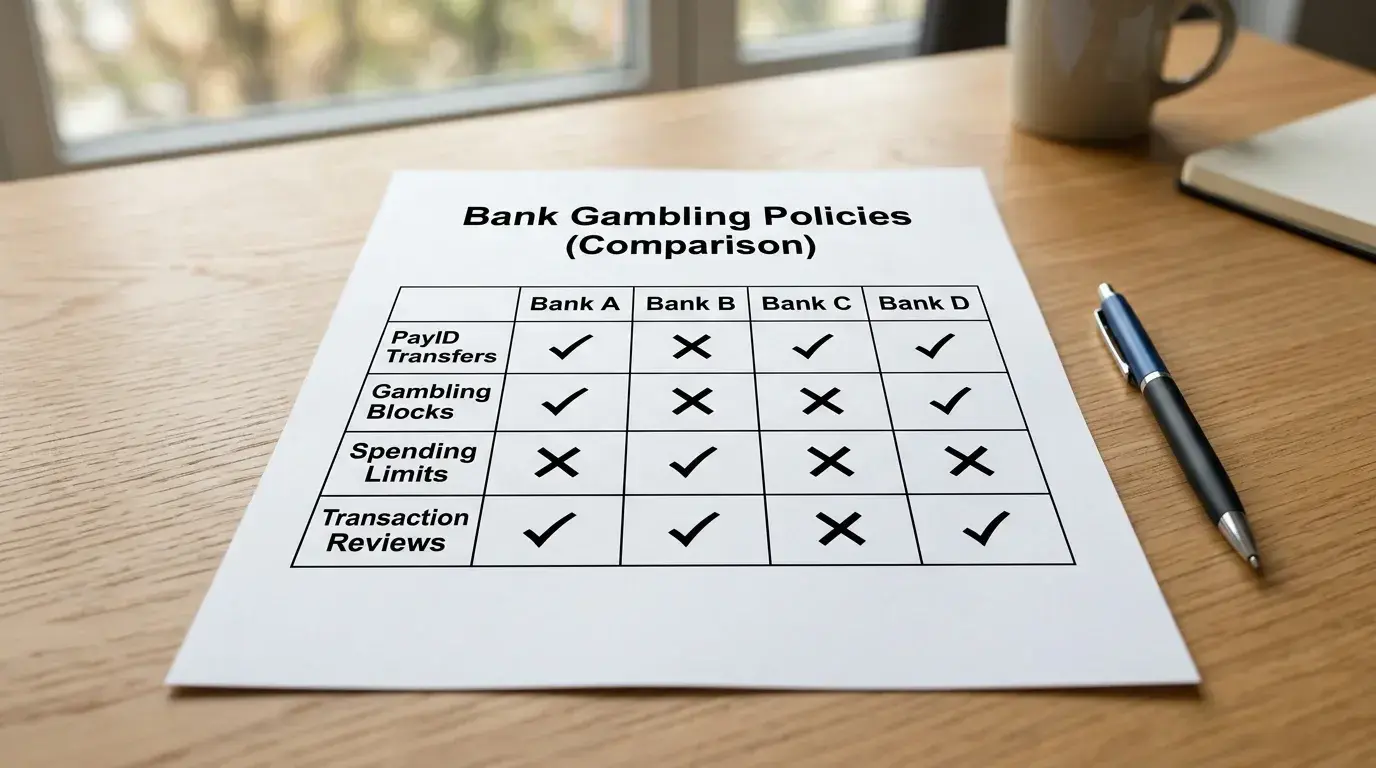
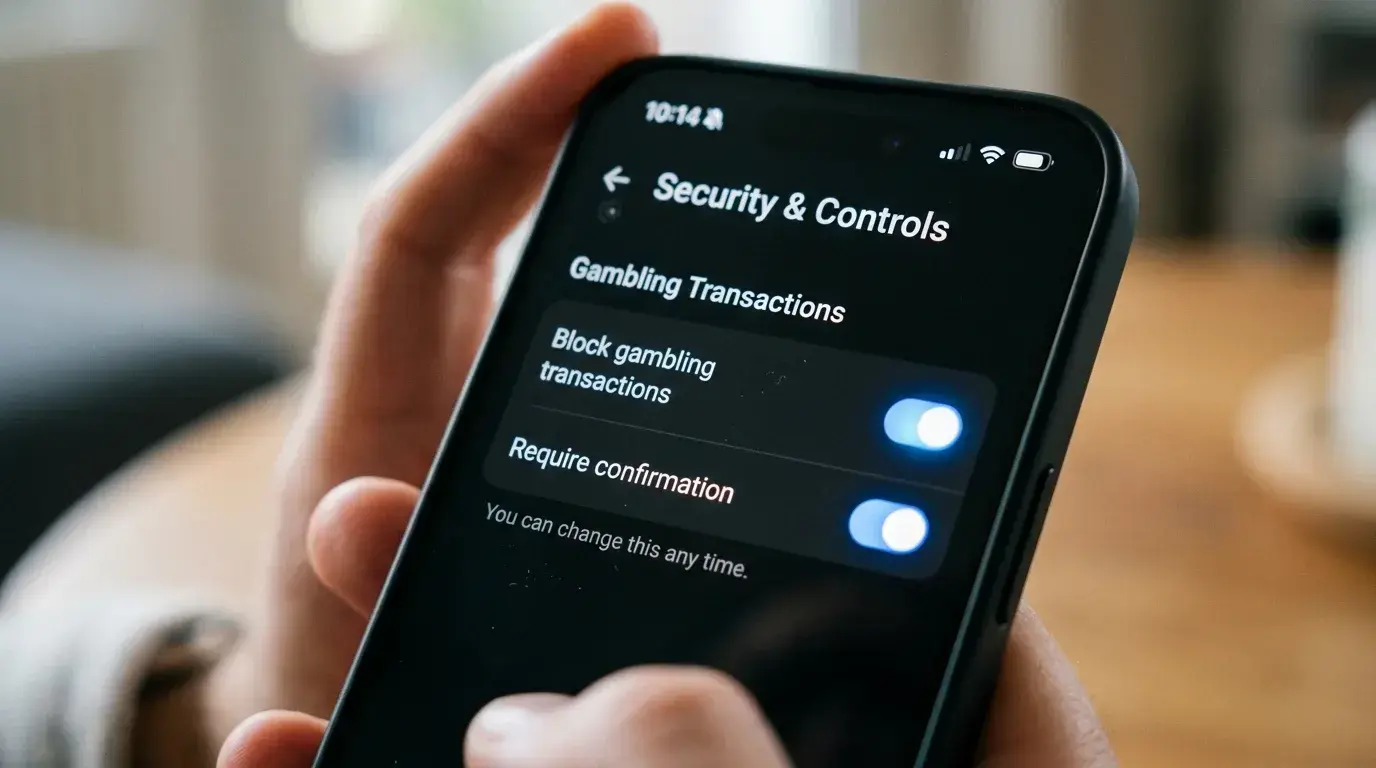
Commonwealth Bank processes PayID transfers to most gambling operators without specific restrictions on the transaction itself. CBA’s gambling controls focus on their GambleAware feature, which lets customers set spending limits on gambling transactions, block gambling payments entirely, or receive notifications when gambling spending exceeds a self-set threshold. These controls are opt-in — they do not activate automatically, and a standard PayID transfer to a casino will generally process unless the customer has enabled them. PayID adoption grew from 12% of all payments in early 2021 to nearly 20% by late 2022, and CBA’s customer base represents a significant share of that growth.
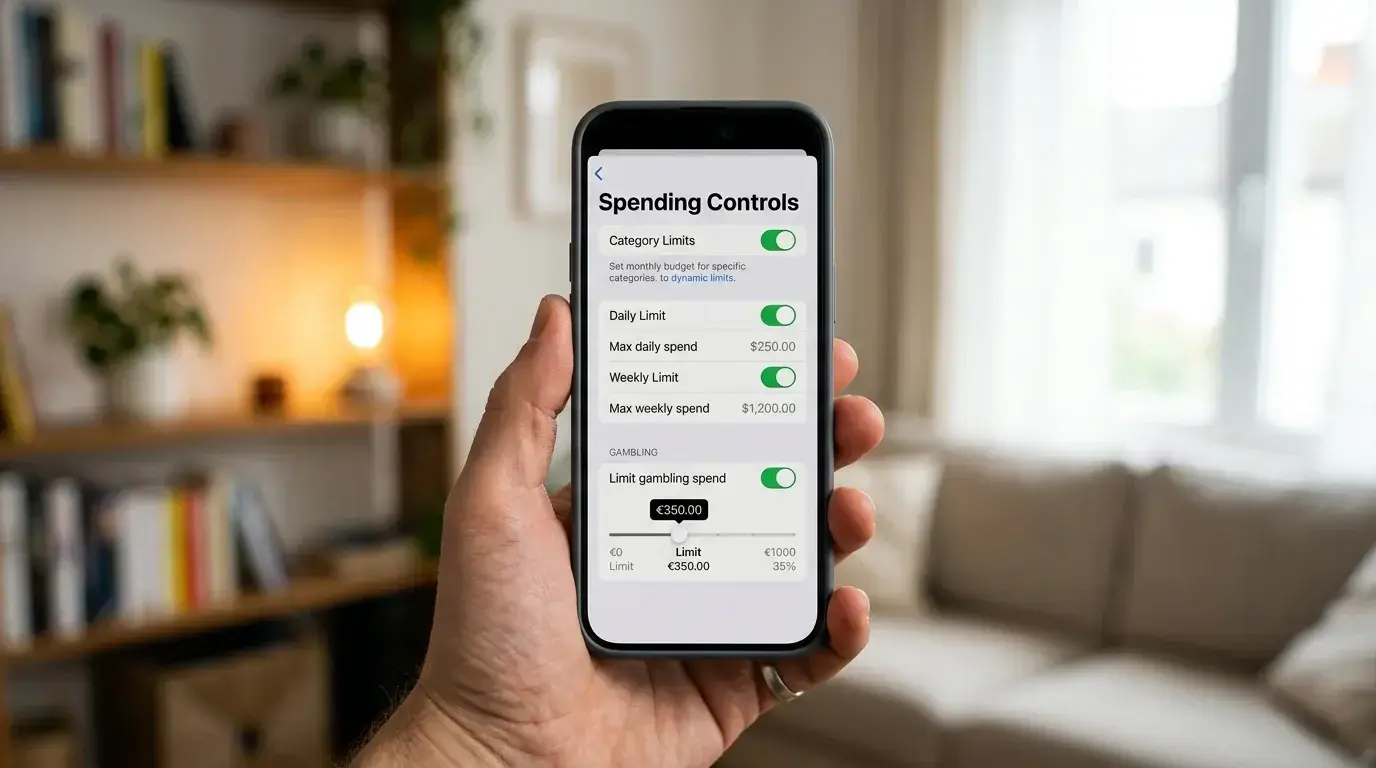
NAB has taken a more interventionist approach. The bank introduced gambling-specific blocks that customers can activate through the NAB app, and NAB’s fraud detection systems are known to flag patterns of frequent transfers to gambling-related recipients. A single PayID deposit to a casino is unlikely to trigger a flag, but a pattern of multiple daily transfers to the same recipient may generate a review. NAB’s approach reflects a broader industry trend toward proactive monitoring of gambling-related spending.
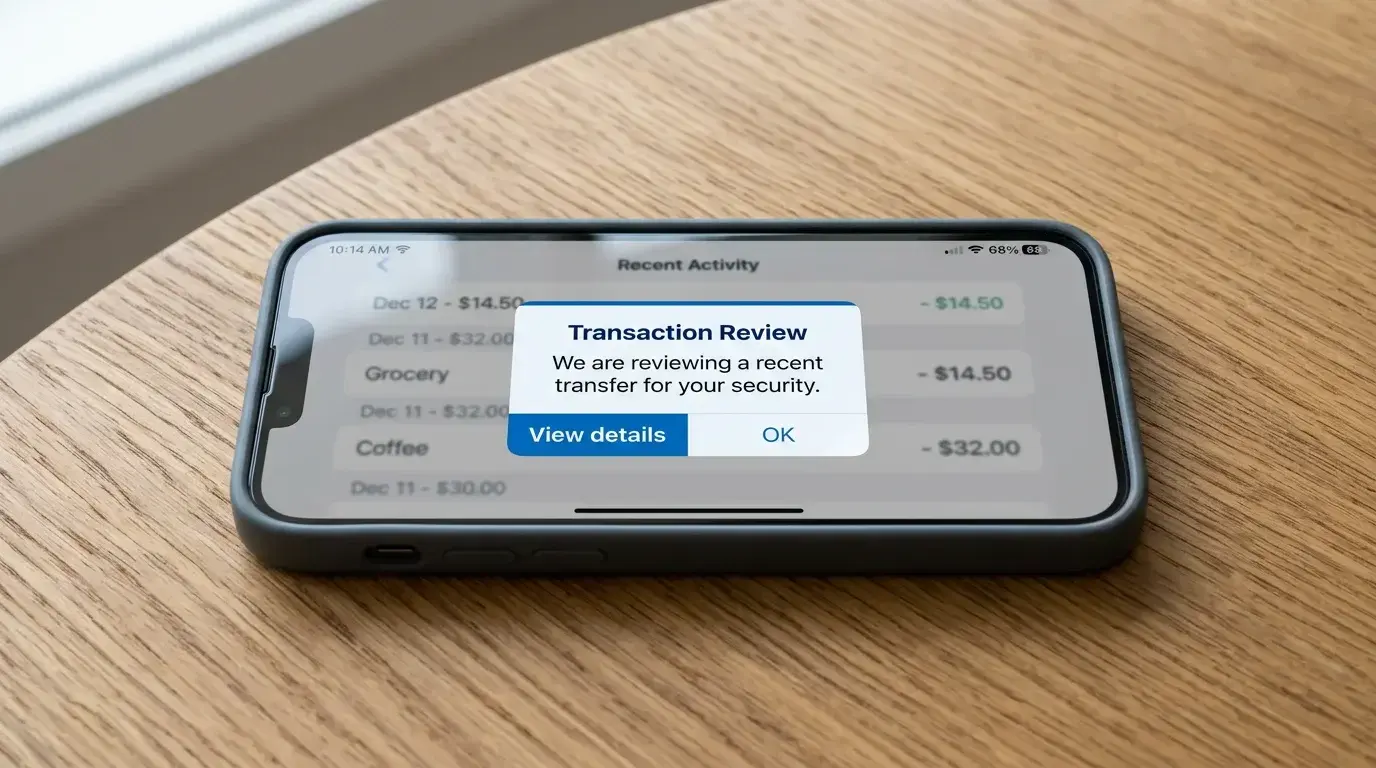
ANZ offers gambling transaction controls through its ANZ app, allowing customers to block gambling payments or set spending alerts. The bank’s PayID processing for gambling transactions is generally unrestrictive for individual payments, but ANZ has been known to temporarily hold larger transfers pending manual review. The threshold for review is not publicly disclosed, and it appears to vary based on the customer’s transaction history and account profile.
Westpac provides similar opt-in gambling controls through its app and has invested in detection systems that identify gambling-related transaction patterns. Westpac’s approach leans toward customer education rather than blanket blocking — the bank provides resources about responsible gambling alongside its transaction controls. PayID deposits to casino operators typically process without intervention unless the customer has activated spending limits.
Across all four, the common thread is that PayID transfers to gambling operators are not blocked by default. Each bank offers voluntary tools for customers who want to restrict their own gambling spending, but none of the Big Four have implemented blanket prohibitions on PayID transfers to casino sites. The safety analysis of PayID for gambling covers the broader security implications of these transactions.
Credit Unions and Neobanks: PayID Gambling Support
Beyond the Big Four, the landscape gets more varied and less documented. Smaller institutions connected to the NPP — regional credit unions, mutual banks, and neobanks like Up, Judo, and 86 400 (now part of NAB) — generally process PayID transactions without gambling-specific restrictions, largely because they lack the sophisticated transaction monitoring systems that the Big Four have invested in.
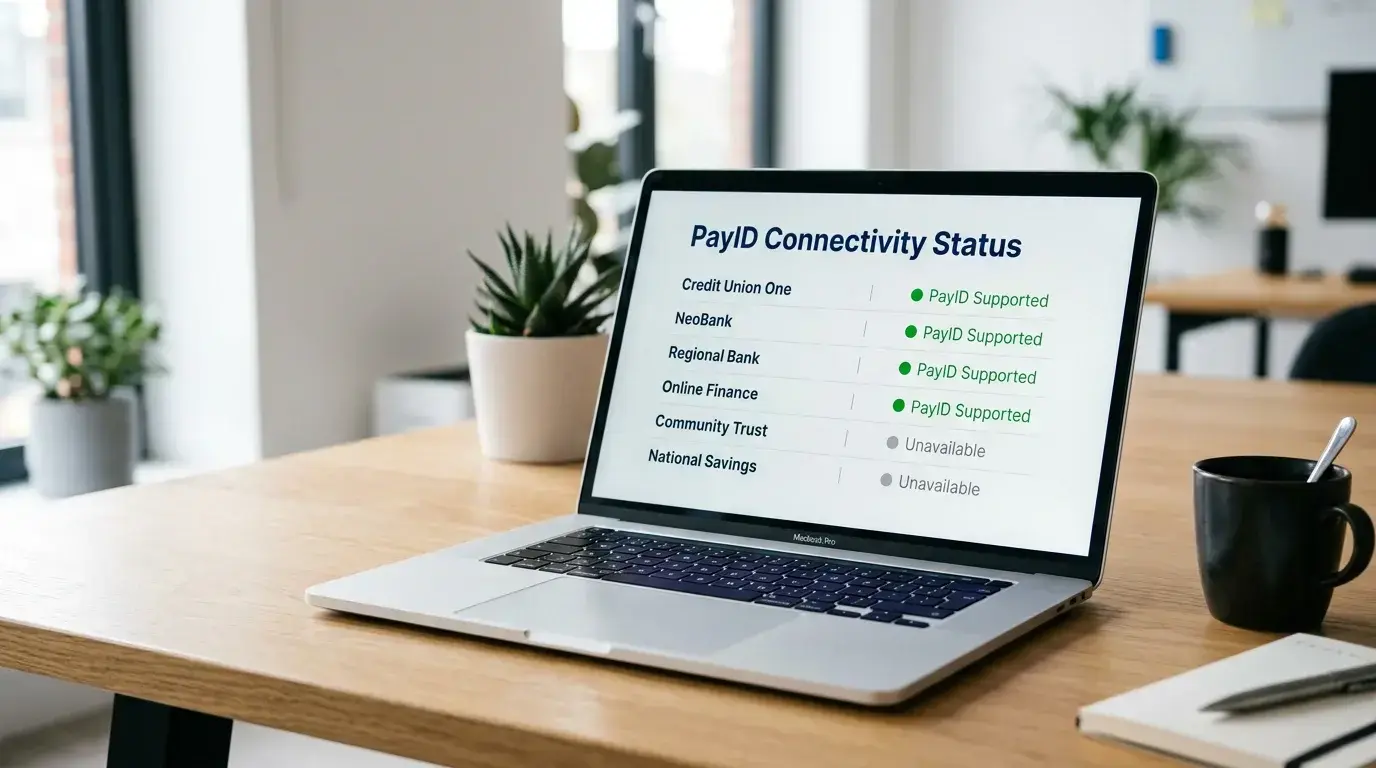
This can work in both directions. A credit union might process a PayID transfer to a casino without any flag or delay, giving the appearance of fewer restrictions. But it also means the institution may not offer the self-exclusion or spending-limit tools that the Big Four provide. If you rely on bank-level controls as part of your responsible gambling strategy, a smaller institution may not support those tools at the same level.
Neobanks present an interesting case. These digital-first institutions built their infrastructure on modern payment rails and tend to process NPP transactions efficiently. However, several have implemented their own gambling policies. Up Bank, for example, has at various times offered gambling-blocking features as part of its financial wellbeing positioning. The specifics change as these banks update their product offerings, so checking directly with your institution is always necessary.
One pattern I have observed across smaller institutions is that they are more likely to flag gambling transactions reactively rather than proactively. The Big Four have dedicated teams monitoring transaction patterns in real time. A credit union might not notice gambling-related PayID transfers until a routine review — but if that review identifies a pattern, the response can be more abrupt, sometimes including an account review or a request for explanation.
The practical advice for any PayID casino player is to test your banking setup before committing to a deposit. Make a small transfer first and confirm it processes successfully. If your bank flags or blocks the transaction, you will know before a larger amount is involved. And regardless of which institution you bank with, explore whatever gambling-management tools they offer — spending limits, transaction blocks, and alerts are valuable safeguards that work alongside, not against, your PayID access.