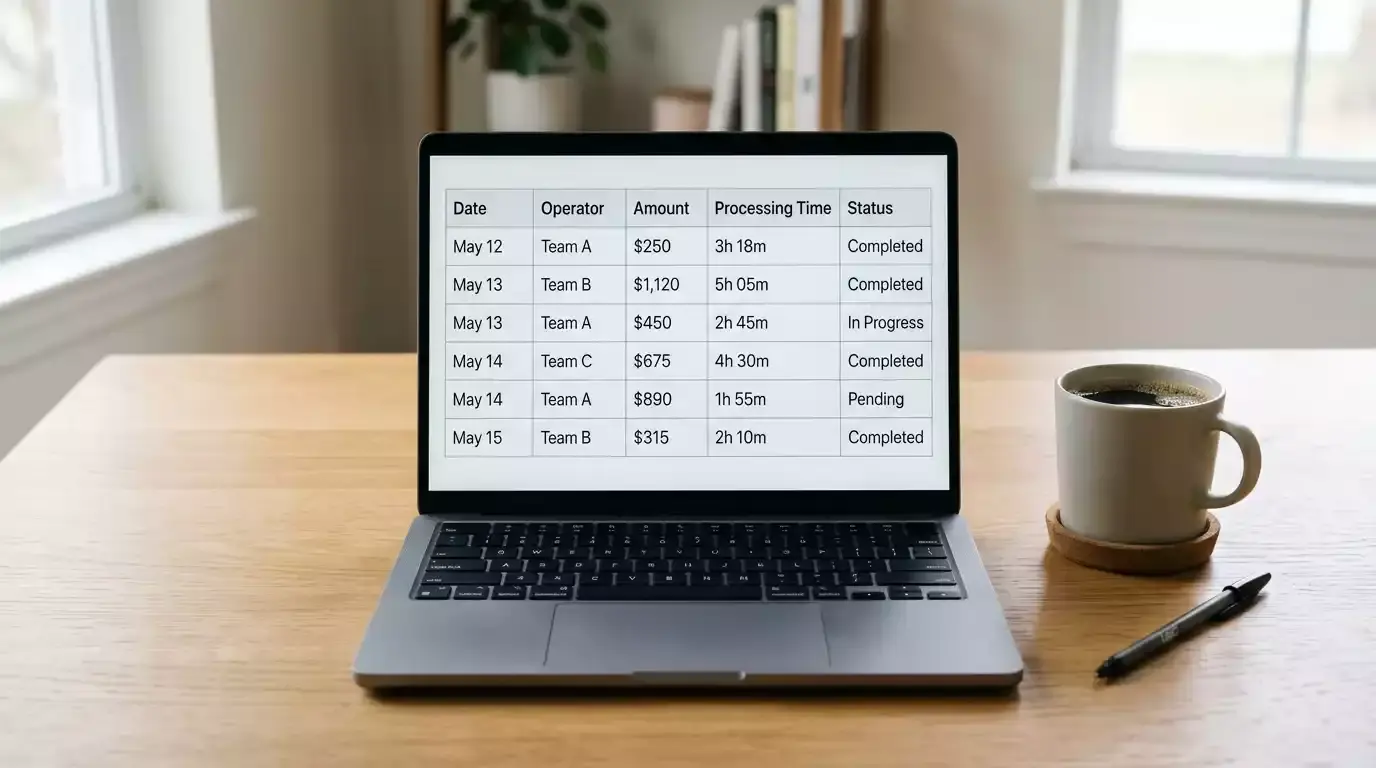

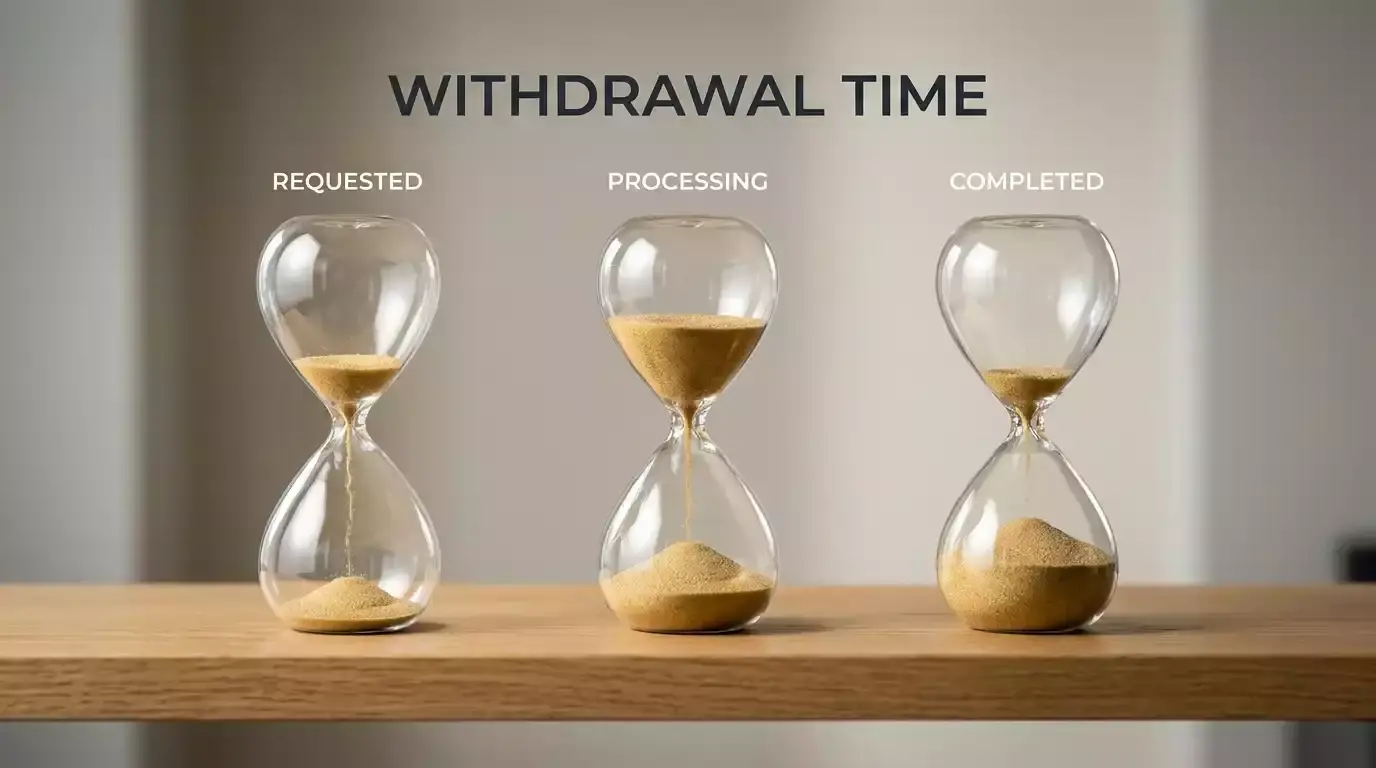
The NPP processes over 155 million real-time payments every month across Australia. When you send money through PayID, it arrives in the recipient’s account within seconds. So why does it take hours — sometimes a full day — to withdraw your casino winnings through the same system? I have spent years answering that question by tracking withdrawal processing across dozens of operators, and the gap between what the payment infrastructure can do and what the casino actually does is where all the delay lives.
Understanding the specific stages of a PayID withdrawal is the difference between reasonable expectations and unnecessary frustration. The timeline is not random, and the factors that slow it down are mostly predictable. Here is exactly what happens between the moment you tap “Withdraw” and the moment funds appear in your bank account.
The Three Stages of a PayID Withdrawal
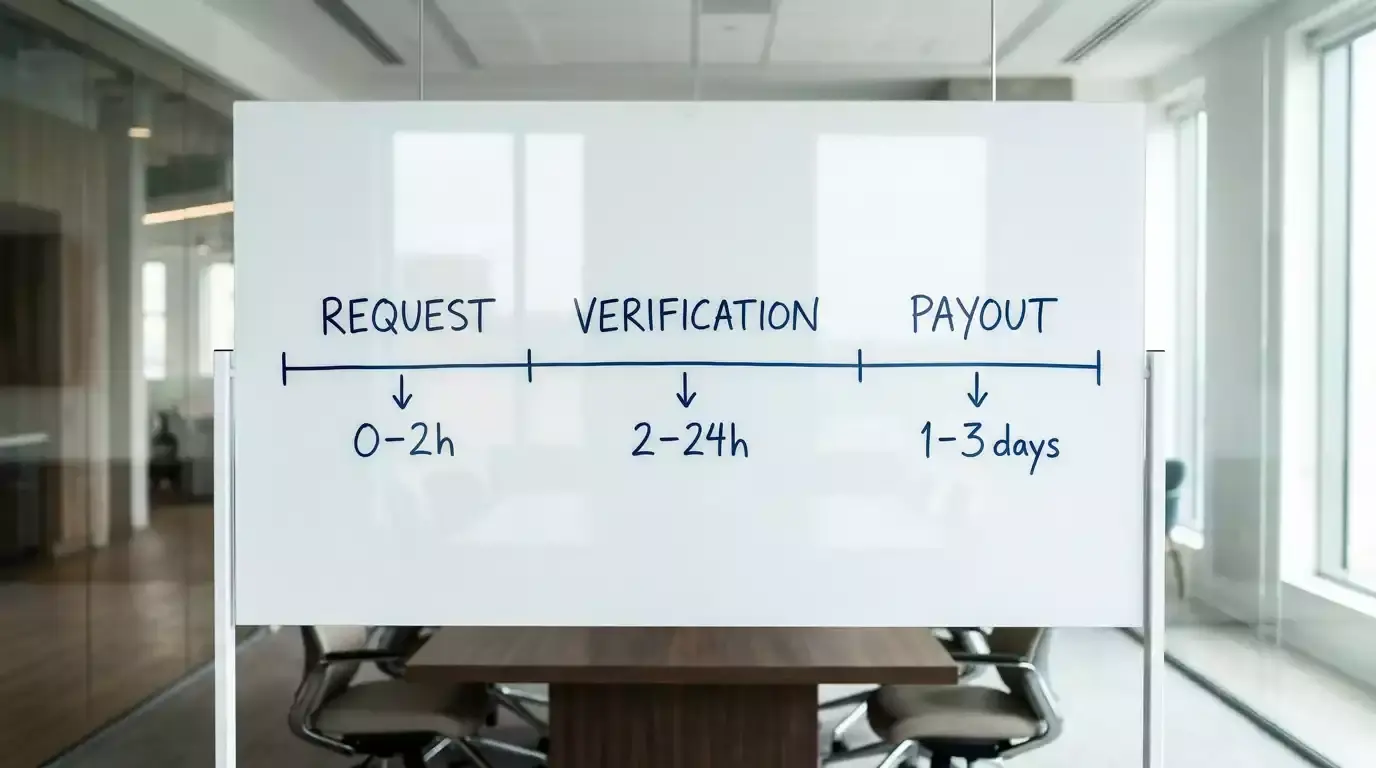
I break every PayID withdrawal into three distinct stages, because the delay at each stage has a different cause and a different solution. Treating the process as a single black box leads to confusion. Breaking it apart lets you identify exactly where your money is sitting and why.
Stage one is the request queue. When you submit a withdrawal, the operator’s system logs it and places it in a processing queue. This is not a technical limitation — it is an operational choice. Operators batch their withdrawals and process them at set intervals, often two to four times per day. Some smaller operators process once daily. If you submit a request at 3pm and the next processing run is at 9am the following morning, your withdrawal sits untouched for 18 hours regardless of how fast the NPP can move money. With more than 114 million accounts connected to the NPP across a country of 26 million people, the infrastructure itself has no capacity issue — the bottleneck is the operator’s internal schedule.

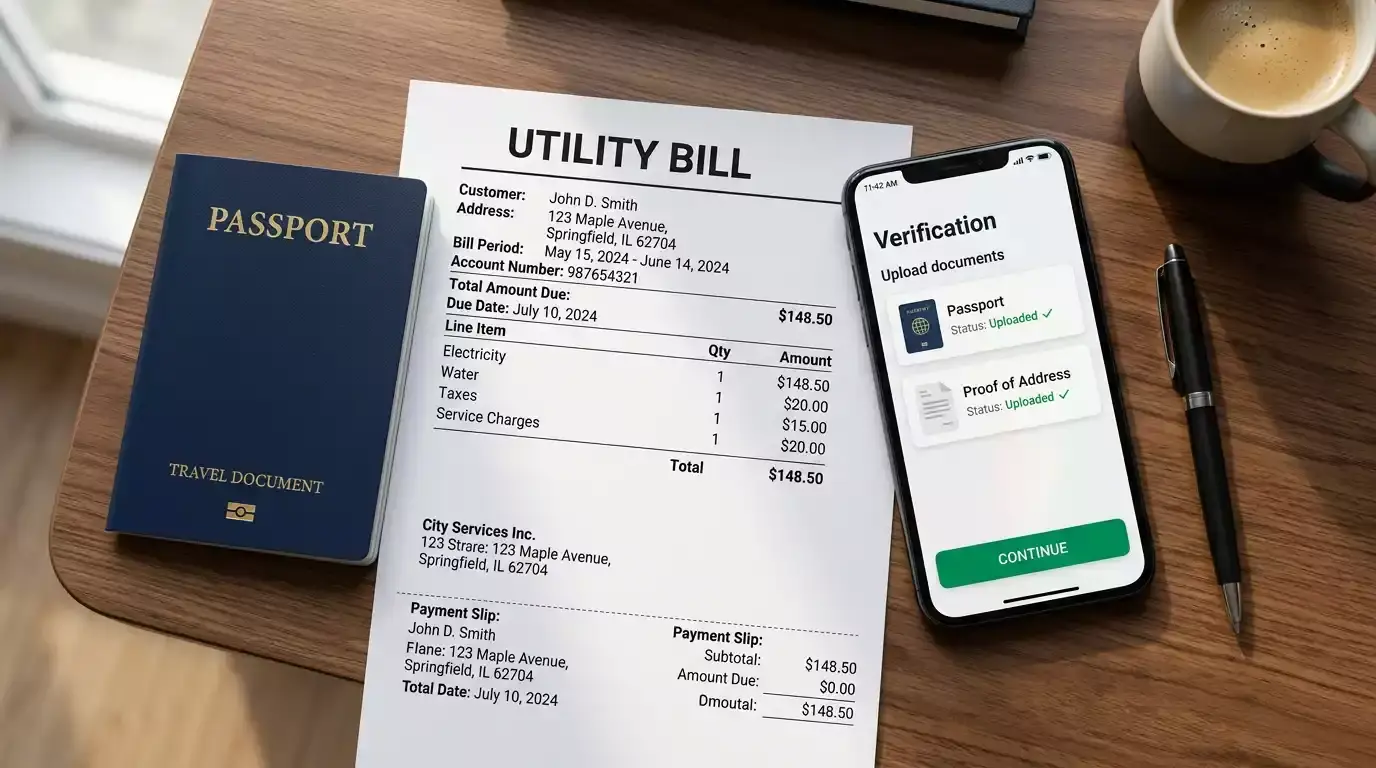
Stage two is verification and compliance. Before releasing funds, the operator checks your account against KYC requirements, anti-money laundering obligations, and their own internal risk assessments. For first-time withdrawals, this stage can add 24 to 48 hours because the operator needs to verify your identity documents — passport or driver’s licence, proof of address, and sometimes a bank statement showing the PayID linked to your account. Subsequent withdrawals from a verified account are faster because the identity check is already complete, but the operator still runs AML screening on each transaction.
Stage three is the actual PayID transfer. Once the operator approves your withdrawal and initiates the payment through the NPP, the money arrives in your bank account within seconds. This stage is the fast part — the part that lives up to the “instant” promise. The frustration is that stages one and two consume hours or days before stage three even begins.
The total time from withdrawal request to funds in your account typically ranges from two to twelve hours at efficient operators and up to 48 hours at slower ones. The instant withdrawal guide covers strategies for accelerating this process, including pre-verification and timing your requests around the operator’s processing schedule.
Do PayID Withdrawals Process on Weekends?
This is one of the most common questions I receive, and the answer has two layers. The NPP operates 24 hours a day, seven days a week, 365 days a year. There are no banking hours, no weekend closures, no public holiday shutdowns on the payment infrastructure side. If an operator sends a PayID payment at 2am on a Sunday, your bank receives it at 2am on a Sunday.
The operator side is different. Many online casinos reduce their compliance and finance team staffing on weekends. If your withdrawal requires manual review — first-time withdrawals, large amounts, or flagged transactions — the review may not happen until Monday morning. Some operators explicitly state in their terms that withdrawal processing times are calculated in business days, which means a Friday evening withdrawal request might not be touched until Monday or Tuesday.
Larger operators with 24/7 finance teams are less affected by this, but they are not immune. Even automated processing systems may defer certain withdrawals for manual review based on risk scoring, and those reviews queue until a human is available. I have tested this repeatedly: the same withdrawal amount processed in three hours on a Wednesday took 26 hours over a weekend at the same operator. The payment rail was not the variable — the staffing was.
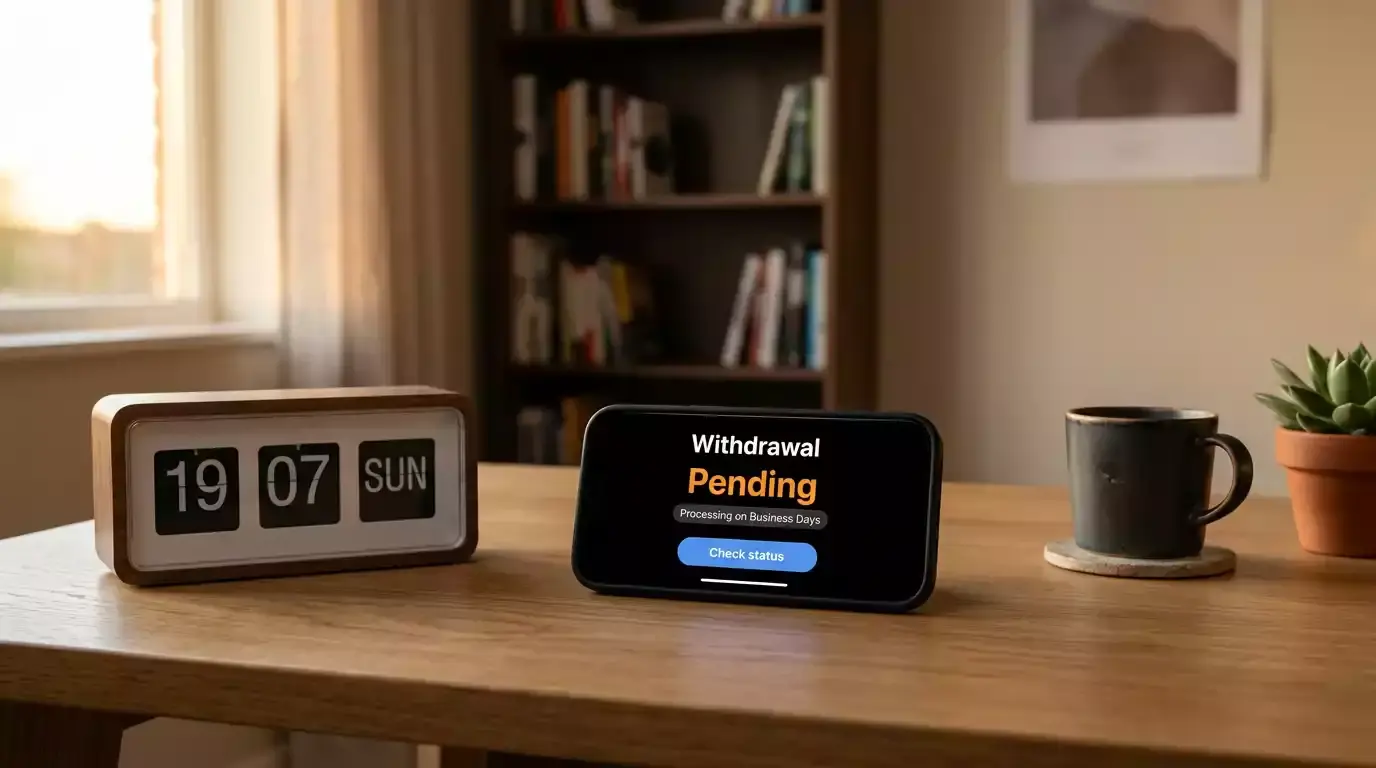
The practical advice is straightforward. If speed matters, submit withdrawal requests during business hours on weekdays — ideally Tuesday through Thursday, when processing queues tend to be shortest. Avoid Friday evenings, weekends, and public holidays unless you are comfortable with a longer wait. And if you have not completed KYC verification on your account, do so before making your first withdrawal request. The verification process itself can take one to three business days, and layering that on top of a weekend withdrawal creates the longest possible wait times.
For players who regularly withdraw, the pattern becomes predictable. After your first verified withdrawal, subsequent ones from the same operator typically follow a consistent timeline. Track your first two or three withdrawals — note the day and time you submitted the request and the day and time the funds appeared in your bank. That data gives you a reliable model for future transactions and removes the guesswork that makes waiting feel longer than it actually is.