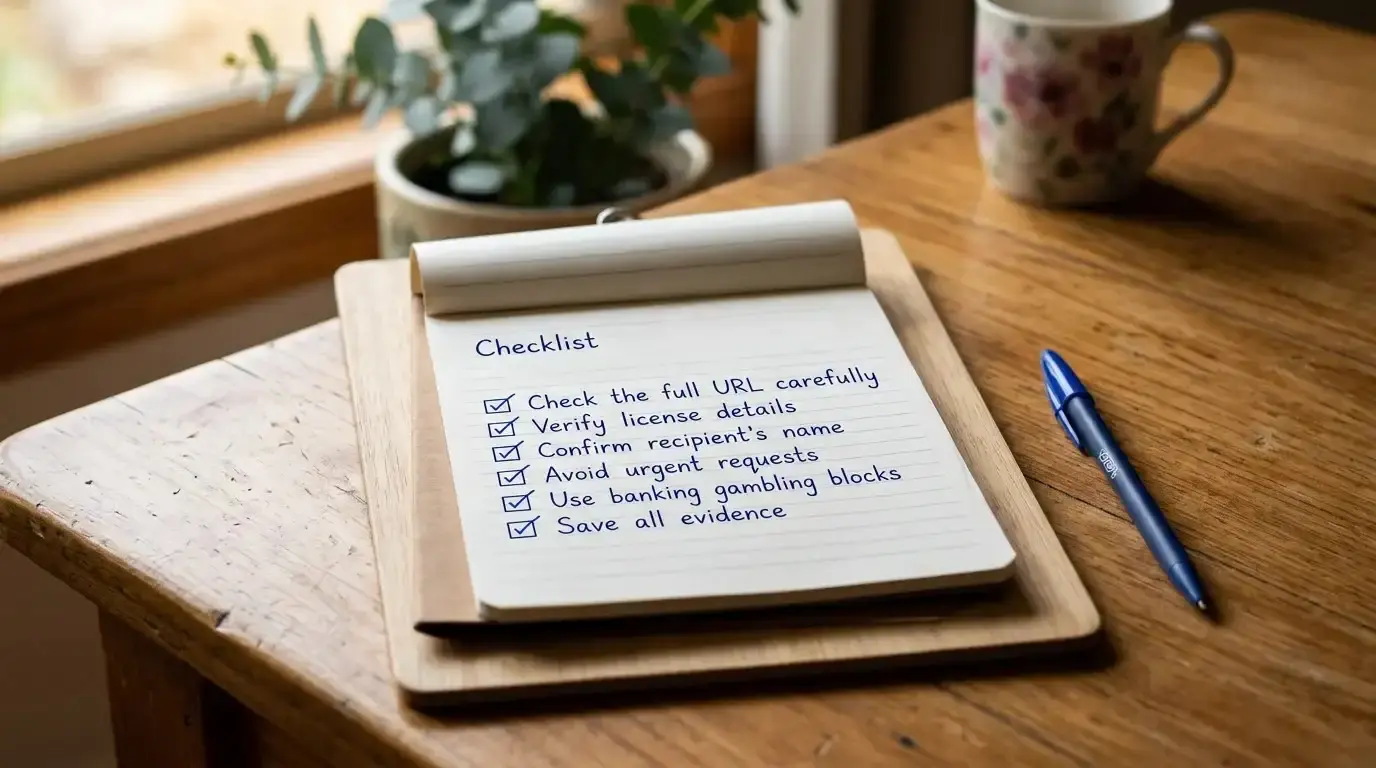

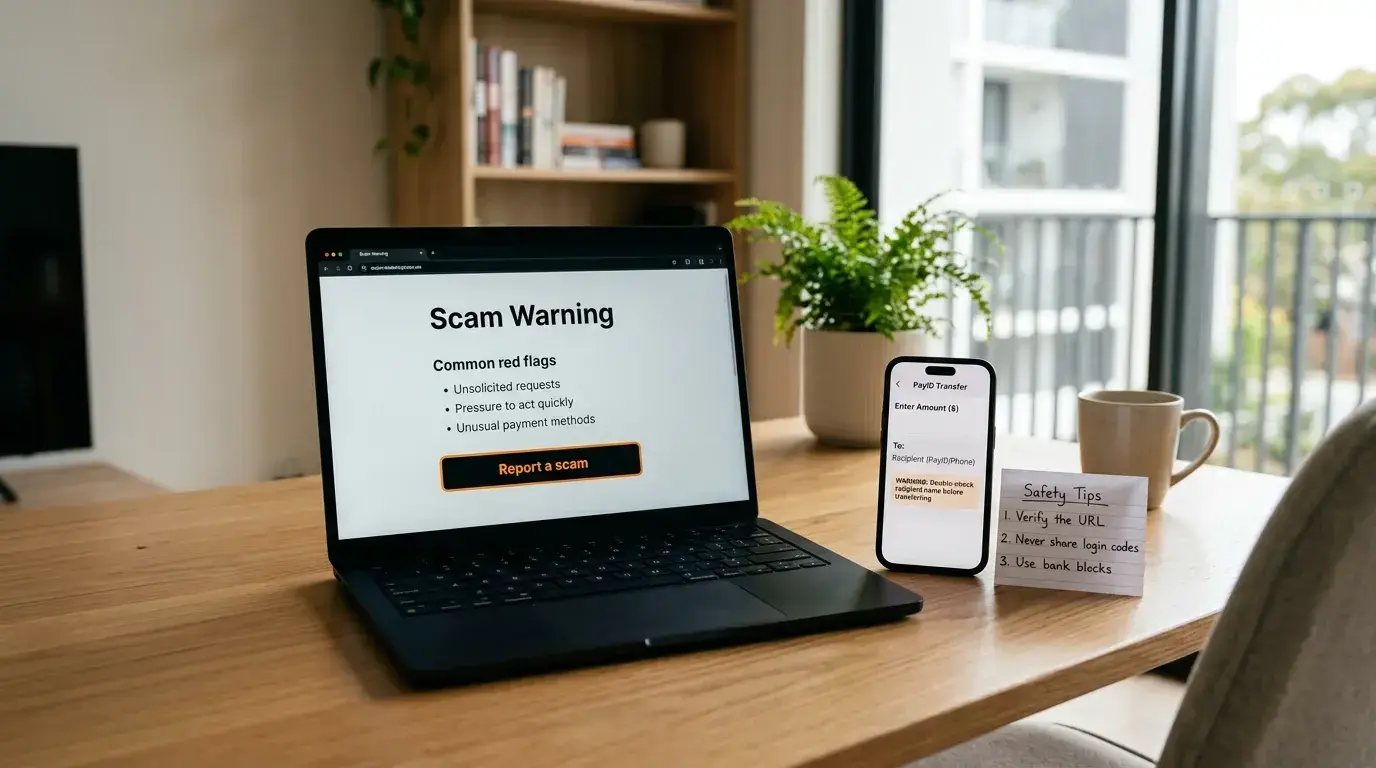
PayID-specific scam losses reached at least AU$260,000 in reported cases during 2023, according to Scamwatch and Westpac data. That figure sounds small next to the AU$854 million in card fraud recorded in the same period — and it is. But the nature of PayID scams in the casino space is different from card fraud, and the recovery options are far more limited. When you push money through PayID to a fraudulent operator, there is no chargeback mechanism. The payment is final. That reality makes prevention the only reliable defence.
I have reviewed dozens of scam reports involving fake casino operators, and the patterns are remarkably consistent. This guide covers the most common schemes, the warning signs I look for, and what to do if you have already been caught.
Common Scams Targeting PayID Casino Players
Impersonation fraud cost Australian businesses and consumers AU$227 million in 2021, according to Australian Payments Plus. In the casino context, the most common variant works like this: a player finds what appears to be a legitimate PayID casino through social media advertising or a search result. The site looks professional — branded, functional, with game thumbnails and a cashier interface. The player registers, deposits via PayID, and either cannot withdraw winnings or discovers the operator has vanished entirely.

Chris Sheehan, Executive Group Executive at NAB, has highlighted how scammers exploit everyday transactions — people trying to sell items online end up losing money instead. The same social engineering applies to casino scams. Fraudsters create urgency through bonus offers with expiration timers, limited-time deposit matches, or claims that your account will be closed if you do not fund it immediately. These pressure tactics bypass rational evaluation.
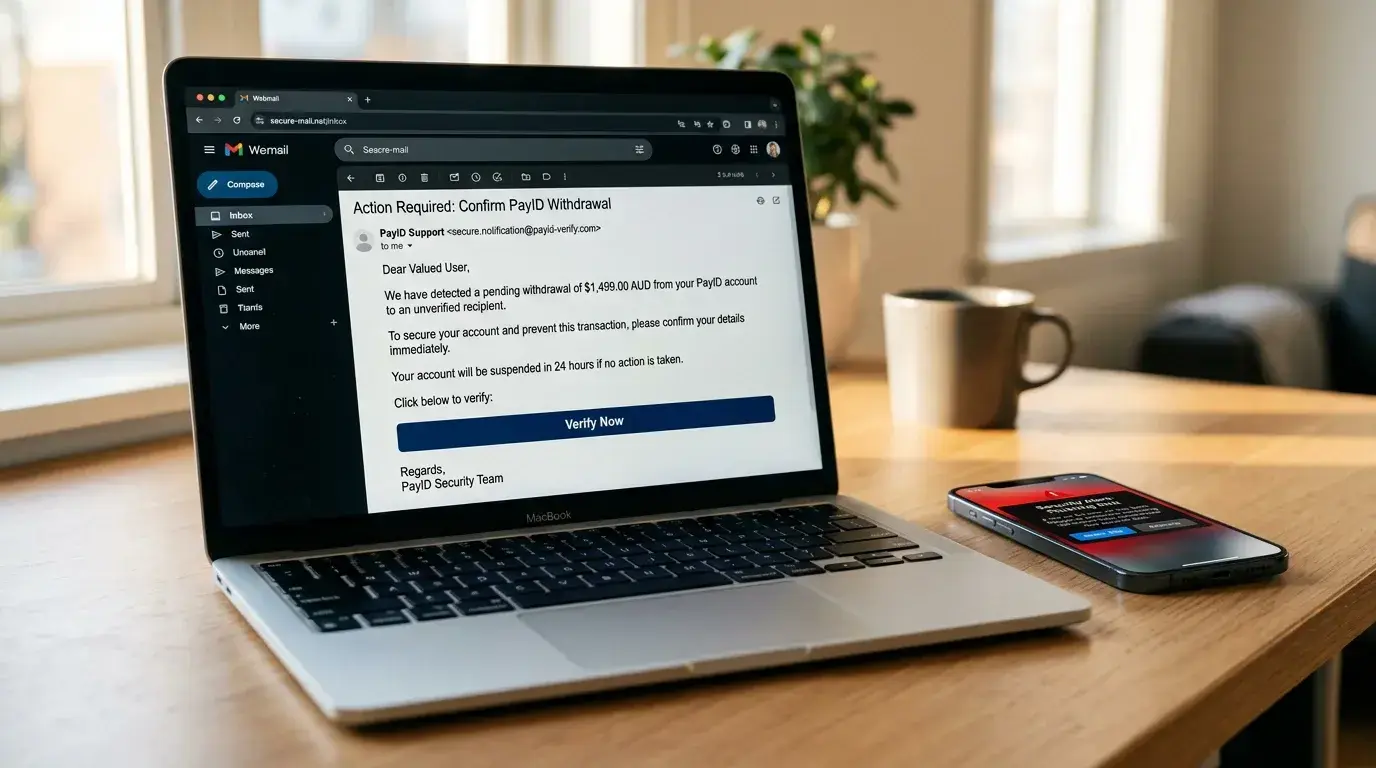
Phishing is the second major category. You receive an email or SMS claiming to be from your casino operator, asking you to verify your PayID details or update your payment information through a link. The link leads to a cloned site that captures your banking credentials. Unlike PayID itself — which never requires you to share your login details with any third party — these phishing schemes rely on creating a convincing copy of a legitimate interface.
The third pattern involves bonus manipulation. A seemingly legitimate operator offers an unrealistic welcome bonus — 500 per cent deposit match, no wagering requirements — to attract deposits. The player sends money via PayID and discovers the bonus terms contain impossible conditions, or the operator simply refuses withdrawals, citing fabricated terms of service violations. By the time you escalate, the operator has no intention of paying and no regulatory body has jurisdiction to compel them.
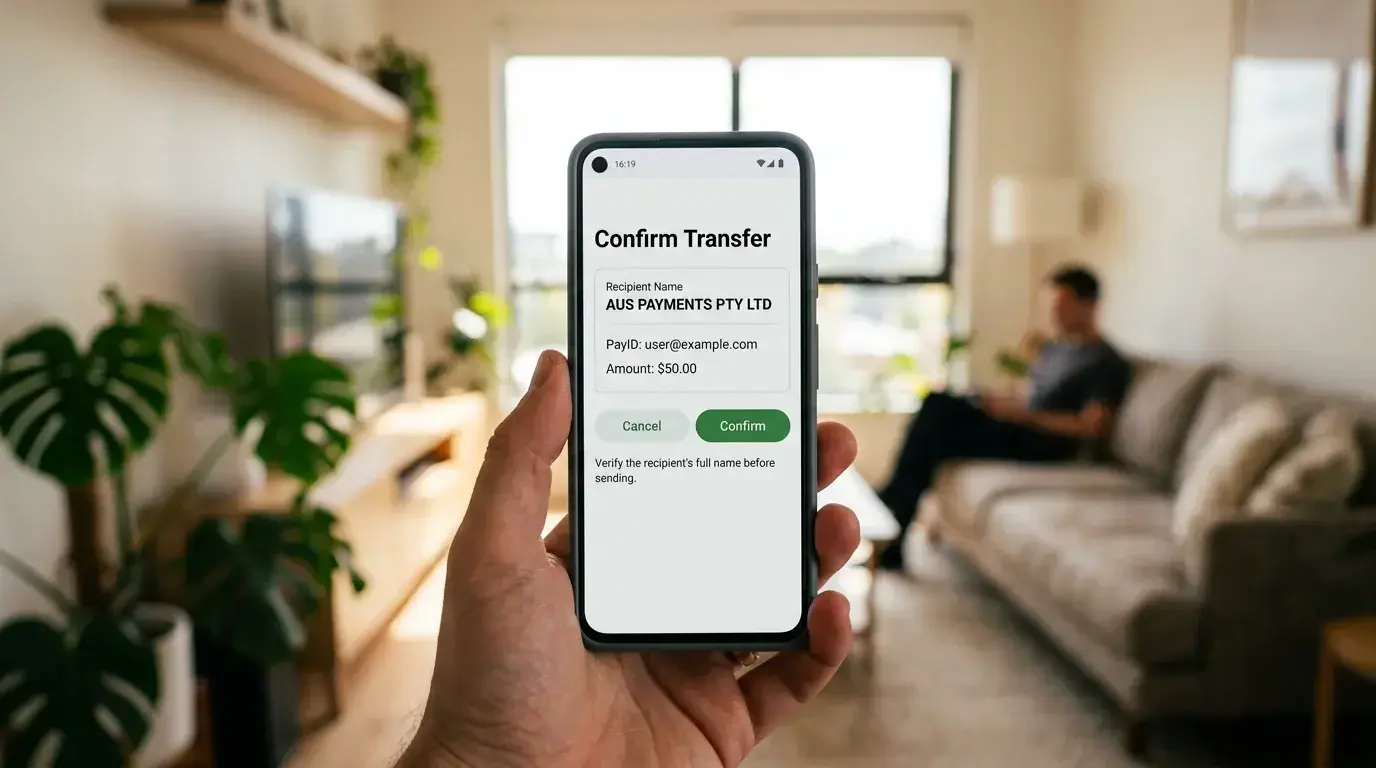
A fourth variant targets the PayID confirmation screen itself. Scammers register a business PayID with a name similar to a known casino operator — close enough to pass a quick glance, different enough to be a separate entity. The player sees a name on the confirmation screen that looks right and approves the payment, not realising the funds are going to a completely different recipient. This is why carefully reading the full registered name — not just the first few words — on the PayID confirmation screen is critical.
What to Do if You Have Been Scammed via PayID
The first step is contacting your bank immediately. While PayID payments are technically irrevocable, some banks have processes for reporting fraudulent transactions and may be able to recover funds if the recipient account has not been emptied. The faster you act, the higher the probability — but set realistic expectations. Recovery rates for push-payment fraud are low across the banking industry.
File a report with Scamwatch (scamwatch.gov.au), which feeds into the ACCC’s scam intelligence database. Also report the operator to ACMA if it presents itself as an Australian-licensed service — ACMA can add the site to its blocked list, preventing other players from falling into the same trap. Your local police may also take a report, particularly if the amount exceeds a threshold for investigation.
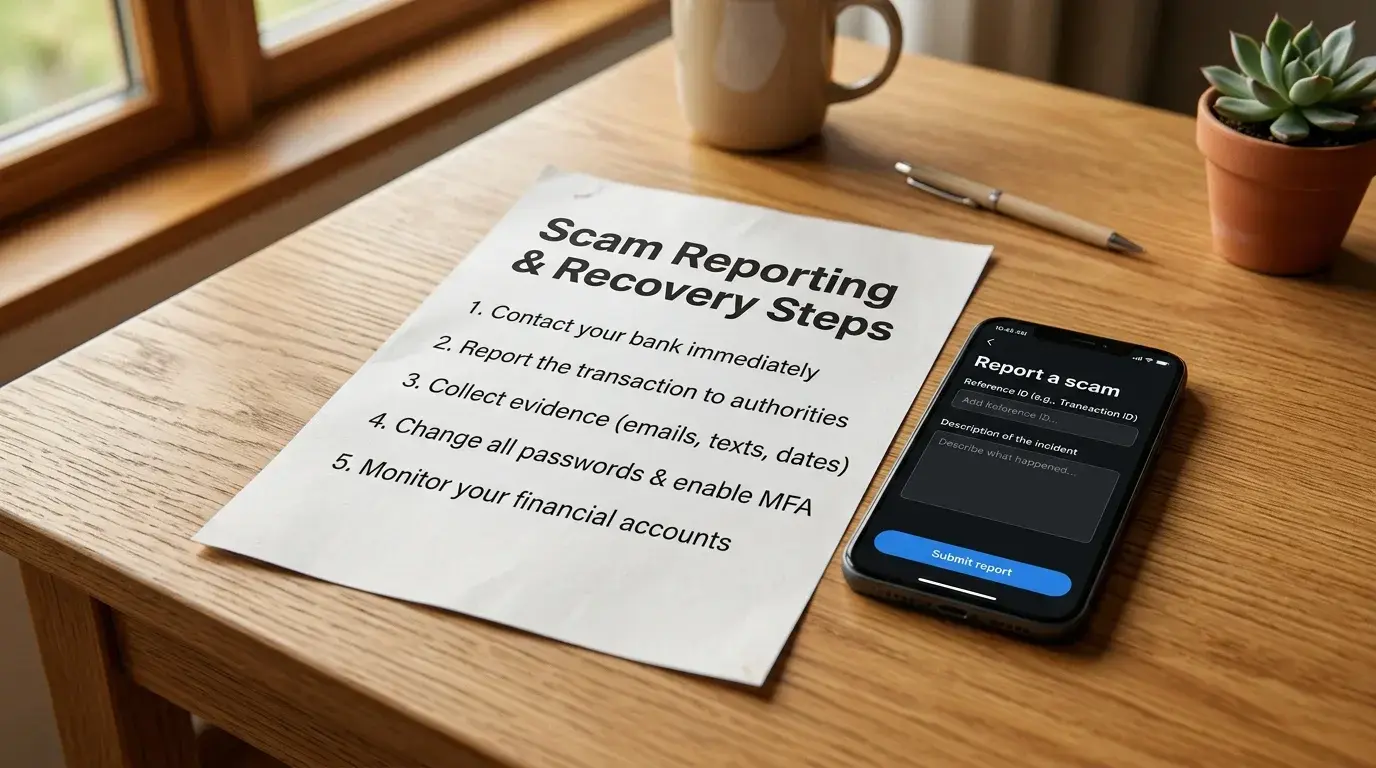
Document everything. Screenshots of the casino website, your PayID transaction confirmation, any communication with the operator, and the timeline of events. This documentation supports both your bank’s investigation and any regulatory action.
The broader security analysis of PayID for gambling covers the structural protections the system offers. But no payment system can protect you from voluntarily sending money to a fraudulent recipient. The confirmation screen is your last line of defence — use it.