


By the third quarter of FY 2025–2026, 59,830 people had registered with BetStop — Australia’s national self-exclusion register. Of those, 37,247 held an active exclusion status as of 31 March 2026. I have worked adjacent to responsible gambling frameworks for most of my career in iGaming payments, and BetStop represents the most significant structural intervention the Australian government has made in this space. If you use PayID at online casinos, understanding how BetStop interacts with your payment method is not optional — it is essential context.
This guide covers how BetStop operates, what it covers, what it does not, and where PayID’s payment transparency fits into the broader picture of self-exclusion and gambling harm reduction.
How BetStop Operates and What It Covers
BetStop is administered by the ACMA and functions as a centralised register. When you sign up, every licensed Australian wagering operator is notified and obligated to close your active accounts and refuse new account creation. The system covers interactive wagering services — online betting, casino sites, and lottery services that hold Australian licences. Registration is free, and you choose your exclusion period: a minimum of three months, up to a lifetime ban.

The numbers reveal who is using it. Thirty-nine per cent of those registered chose lifetime self-exclusion — not a cooling-off period, but a permanent opt-out. And 48 per cent of BetStop users are under 30 years old. That demographic skew matters because it aligns with the age group most likely to use PayID as their primary payment method at online casinos. Younger players who grew up with real-time banking are also the ones most likely to seek structural controls when gambling becomes problematic.
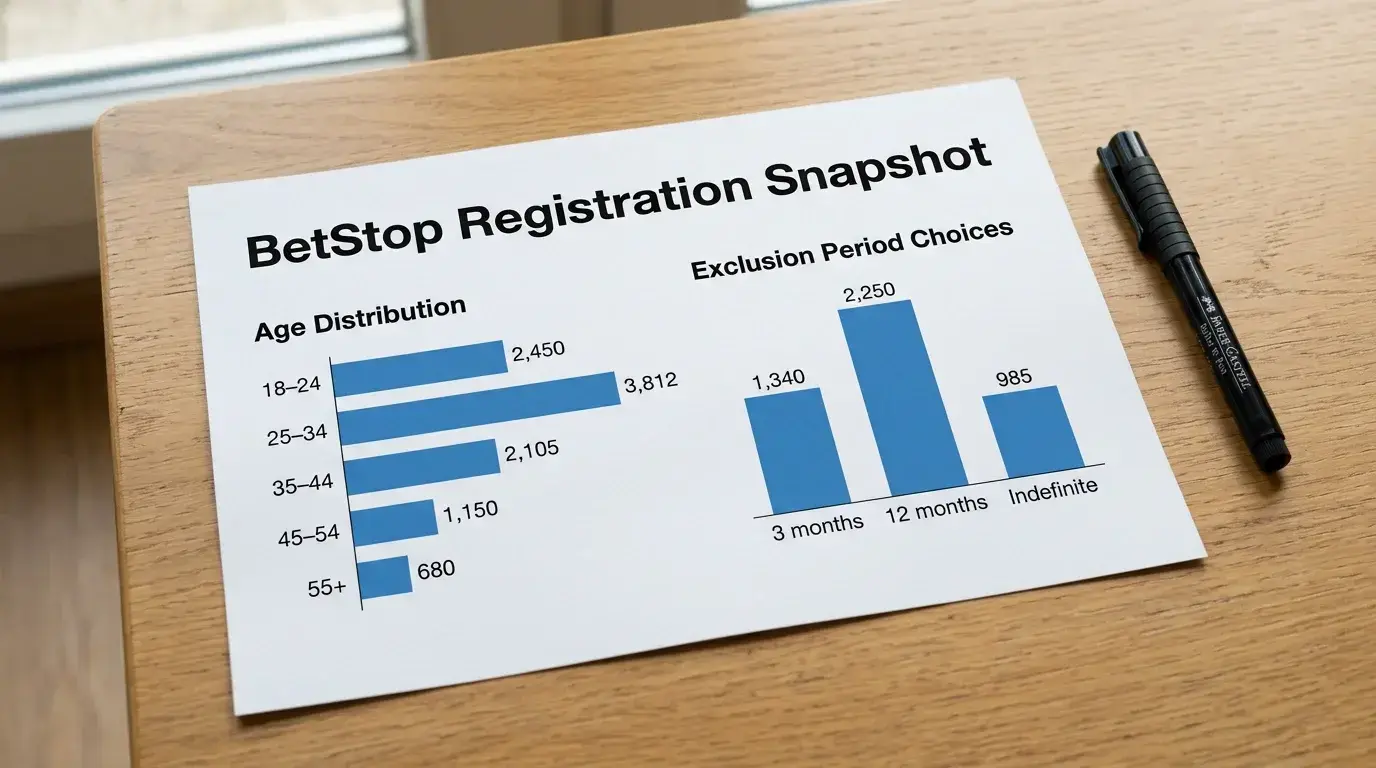
When BetStop is active on your profile, licensed operators cannot process deposits from you — regardless of payment method. This includes PayID, debit cards, bank transfers, and any other method the operator accepts. The block operates at the account level, not the payment level. The operator checks your identity against the BetStop register during account creation and at regular intervals thereafter. If your name appears, the account is frozen or refused.
PayID adds an indirect layer of reinforcement here. Because PayID transactions are linked to your verified banking identity — your name, as registered with your bank — it becomes harder to create accounts under false identities at licensed operators. The name on your PayID must match the name on your casino account, which must match your identity documents. This chain of verification makes circumvention more difficult than it would be with anonymous payment methods.

Does BetStop Apply to Offshore PayID Casinos?
This is the critical limitation. BetStop only covers operators licensed in Australia. The majority of online casinos accepting PayID from Australian players are offshore operations — licensed in Curaçao, Malta, or other jurisdictions — that are not bound by BetStop’s register. ACMA has blocked 1,708 illegal gambling sites as of May 2026, but new offshore operators continue to emerge, and BetStop has no mechanism to compel foreign-licensed sites to check the register.
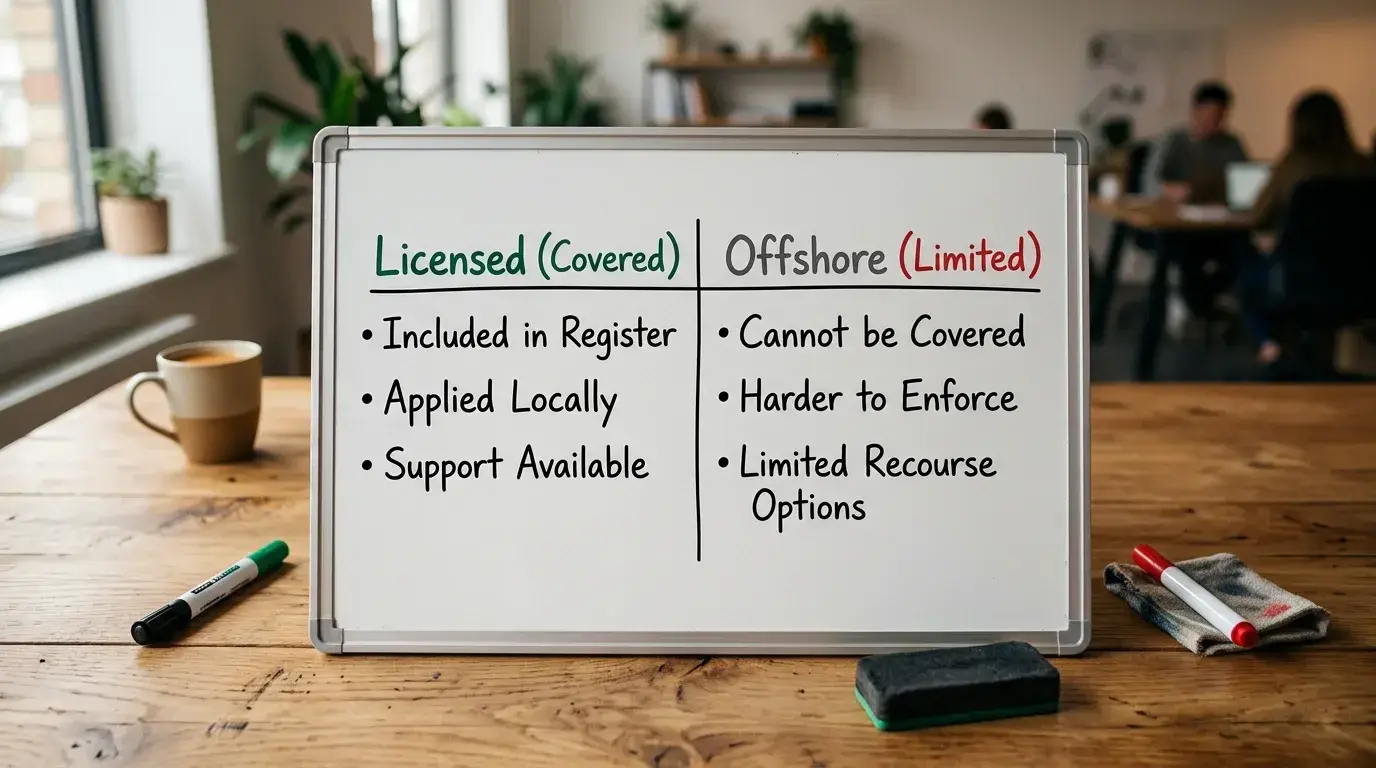
For a PayID casino player who has registered with BetStop, this creates a gap. You are protected from licensed Australian operators, but you can still deposit at offshore sites that accept PayID. The self-exclusion is effective only within the regulatory perimeter. This is not a flaw unique to BetStop — every national self-exclusion system faces the same jurisdictional boundary. But it means that BetStop should be understood as one tool within a broader personal strategy, not a complete solution.
Some banks have begun implementing their own gambling blocks — optional settings that prevent transactions to known gambling merchants. These bank-level controls can fill part of the gap that BetStop leaves with offshore operators, though coverage varies between institutions and the merchant categorisation is not always comprehensive. If you are serious about self-exclusion, combining BetStop with a bank-level gambling block and personal deposit limits creates a more robust barrier than any single measure alone.

The legal status of offshore casinos adds another dimension. While Australian law does not currently penalise players for using offshore gambling sites, the regulatory environment is tightening. ACMA’s enforcement activity — blocking sites, issuing fines, pressuring payment processors — is designed to reduce the accessibility of unlicensed operators over time. BetStop’s reach may expand as these enforcement mechanisms evolve.