

Crown Resorts was fined AU$450 million by AUSTRAC for serious and systemic failures in anti-money laundering and counter-terrorism financing compliance. That penalty — the largest of its kind in Australian history — reshaped the entire industry’s approach to AML. If you use PayID at online casinos, AML rules directly affect how your deposits are processed, how your withdrawals are reviewed, and what triggers additional scrutiny on your account.
This is not theoretical compliance — it is the reason your first withdrawal might take three days instead of three hours, and why a sudden increase in deposit size can freeze your account pending review. Understanding the framework helps you navigate these friction points rather than being surprised by them.
How AML Rules Apply to PayID Casino Transactions
AUSTRAC — the Australian Transaction Reports and Analysis Centre — is the regulatory body responsible for AML oversight. Under the Anti-Money Laundering and Counter-Terrorism Financing Act 2006, gambling operators are designated reporting entities. This means they must identify their customers (KYC), monitor transactions for suspicious patterns, and report certain activities to AUSTRAC.

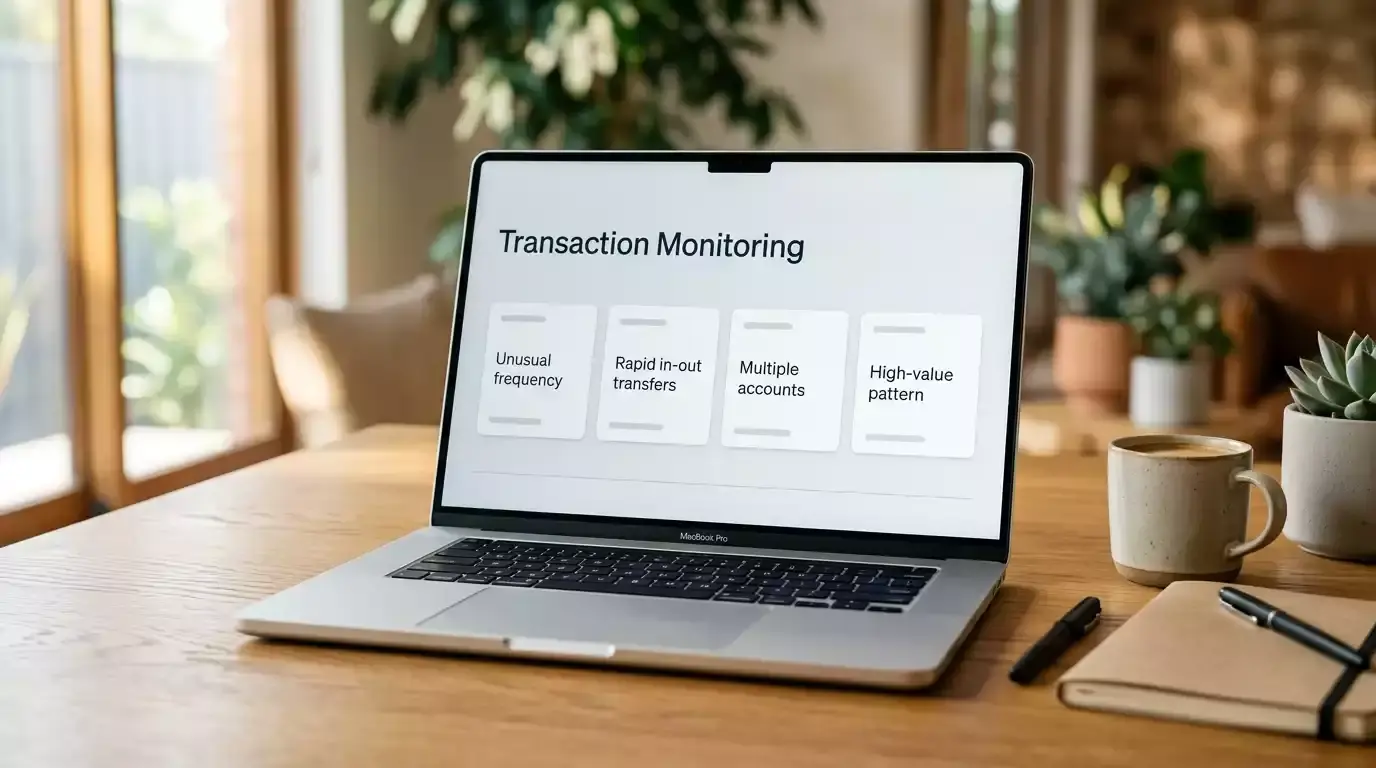
For PayID depositors, the AML framework creates several touchpoints. The first is customer identification — verifying that you are who you claim to be, which is the KYC process. The second is ongoing transaction monitoring — automated systems that track the pattern, frequency, and size of your deposits and withdrawals to identify behaviour that deviates from your established profile. The third is reporting — operators must file suspicious matter reports (SMRs) with AUSTRAC when they detect transactions that may indicate money laundering, terrorism financing, or other financial crimes.
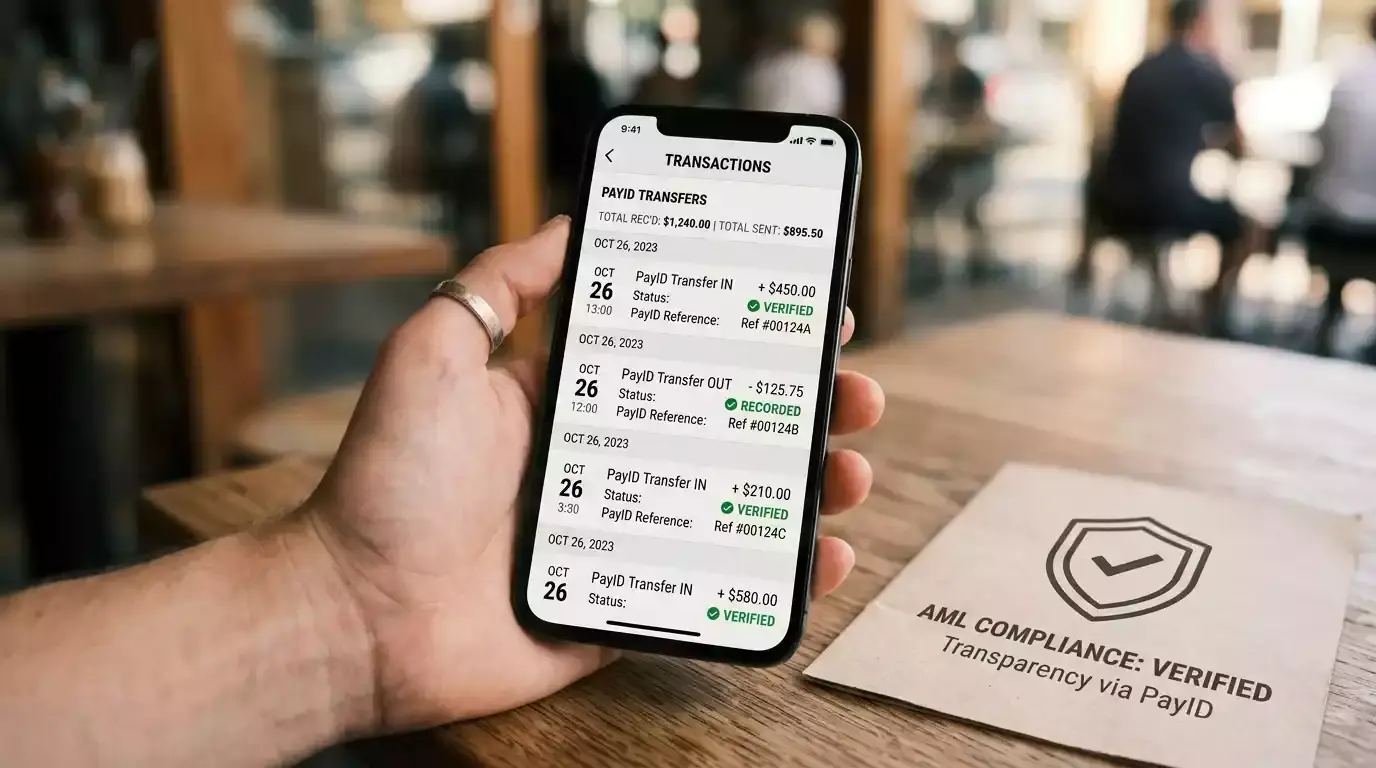
PayID’s transparency actually works in your favour within this framework. Because every PayID transaction is linked to a verified bank account with a registered name, the operator can confirm that the funds are coming from a legitimate banking relationship. This is a stronger identity signal than card payments (where stolen card details are common) or crypto deposits (where the source of funds can be obscured). Some operators process PayID deposits with lighter initial scrutiny than card deposits specifically because the bank-level verification provides an additional layer of assurance.
What Triggers AML Flags on Your Account
The most common trigger is a sudden change in transaction behaviour. If you have been depositing AU$50 per week for three months and then make a single deposit of AU$5,000, the operator’s monitoring system will likely flag the transaction for review. This does not mean you are suspected of money laundering — it means the system detected a deviation from your established pattern and requires a human to assess whether the activity is consistent with your profile.
Threshold reporting is the second trigger. Australian AML rules require reporting of cash transactions above AU$10,000, and while PayID is not technically a cash transaction, many operators apply similar thresholds to electronic transfers. Deposits or withdrawals at or near round-number thresholds — AU$9,900, AU$10,000, AU$10,100 — may attract scrutiny, particularly if they appear structured to avoid reporting requirements. Deliberately splitting transactions to stay below thresholds is itself a reportable offence known as structuring.
Source of funds requests are the third area. If your deposits exceed a certain aggregate amount — the specific threshold varies by operator — you may be asked to provide evidence of where the money came from. This could include payslips, bank statements, tax returns, or documentation of asset sales. PayID helps here because the funds are traceable to a specific bank account, but the operator may still require additional documentation to satisfy their AML obligations.
The practical advice: maintain consistent deposit patterns. If you plan to increase your deposit size significantly, do it gradually rather than in a single jump. Complete KYC verification proactively. And if you receive a source-of-funds request, respond promptly with clear documentation — delays in responding can escalate the review process and extend the hold on your account.
For detail on the KYC documents required before withdrawals, the verification guide covers the full document requirements.