
More than 110 banks and credit unions support PayID through the NPP, but each institution sets its own transfer limits. Those limits interact with the casino’s own deposit thresholds to create a two-layer system that determines how much you can move in a single transaction, per day, and per period. Understanding both layers prevents the frustration of having a deposit rejected when you assumed the funds would go through.
I have tested deposit limits across multiple banks and operators, and the variation is wider than most guides acknowledge. This breakdown covers where the limits actually sit.
Bank-Side vs Casino-Side Deposit Limits
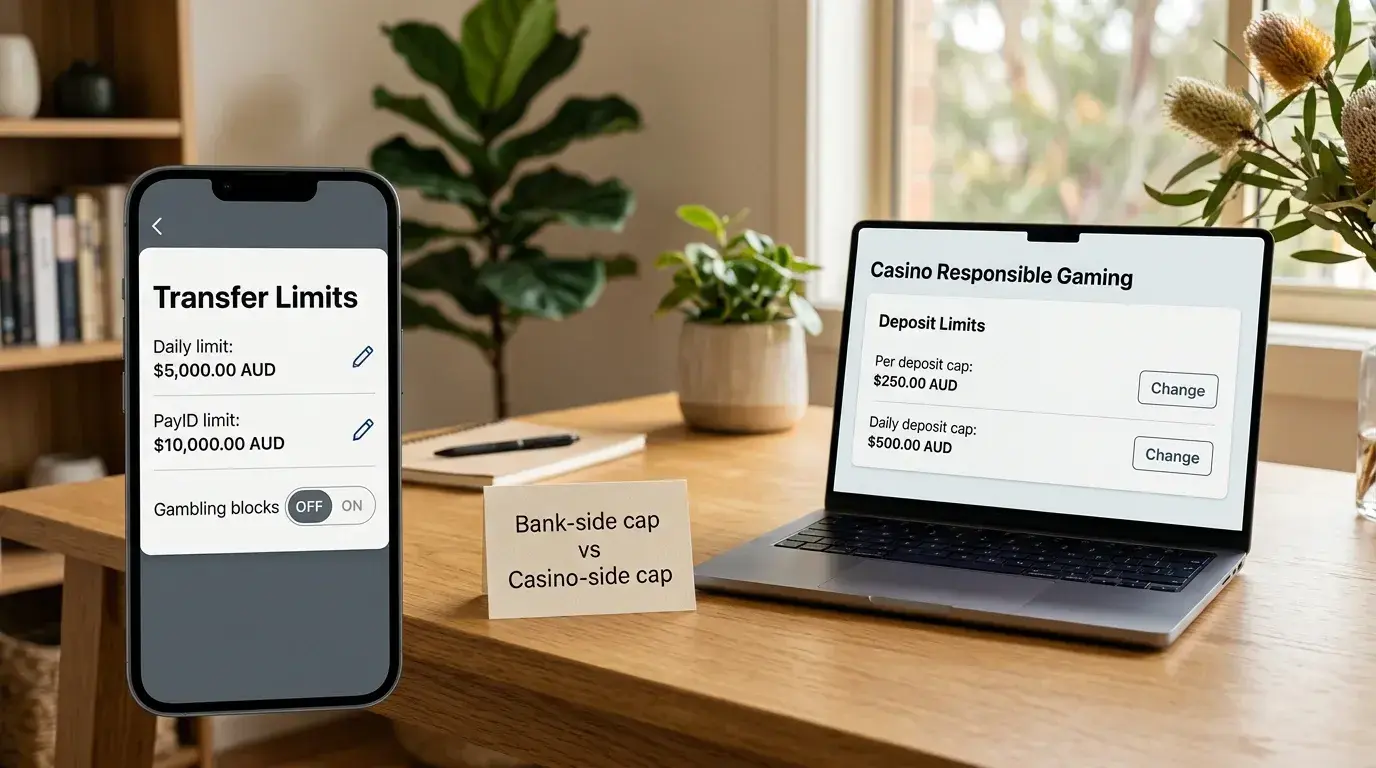
Bank-side limits are set by your financial institution and apply to all PayID transfers — not just gambling. CommBank, for example, sets default daily transfer limits that can be adjusted through the app. NAB, ANZ, and Westpac each have their own defaults and adjustment processes. These limits typically range from AU$1,000 to AU$10,000 per day for standard accounts, though the exact figures vary by account type, customer history, and security settings.
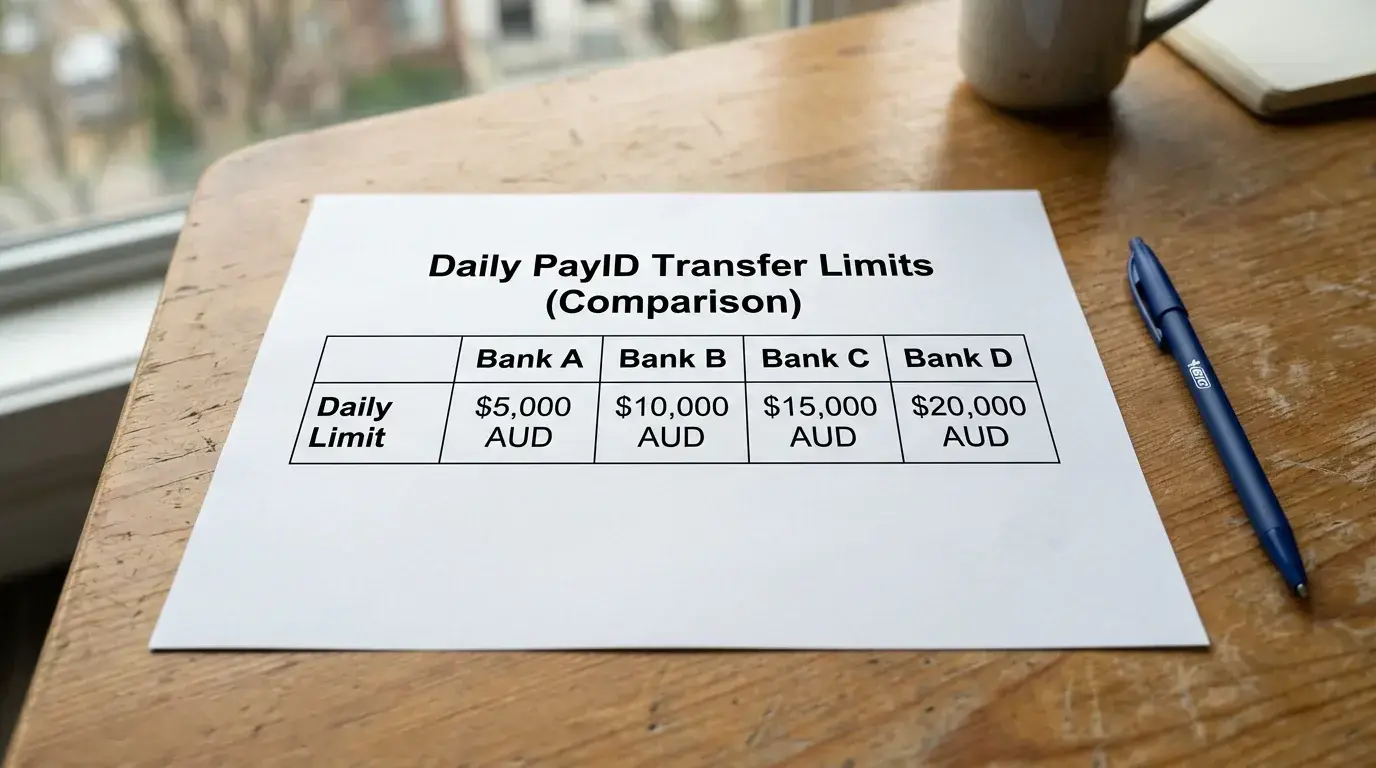
About a third of Australian adults already use PayID for personal transfers, and most encounter these limits only when sending larger amounts. For gambling deposits, the bank limit is the ceiling — you cannot deposit more at a casino than your bank allows you to transfer in a single transaction or day.
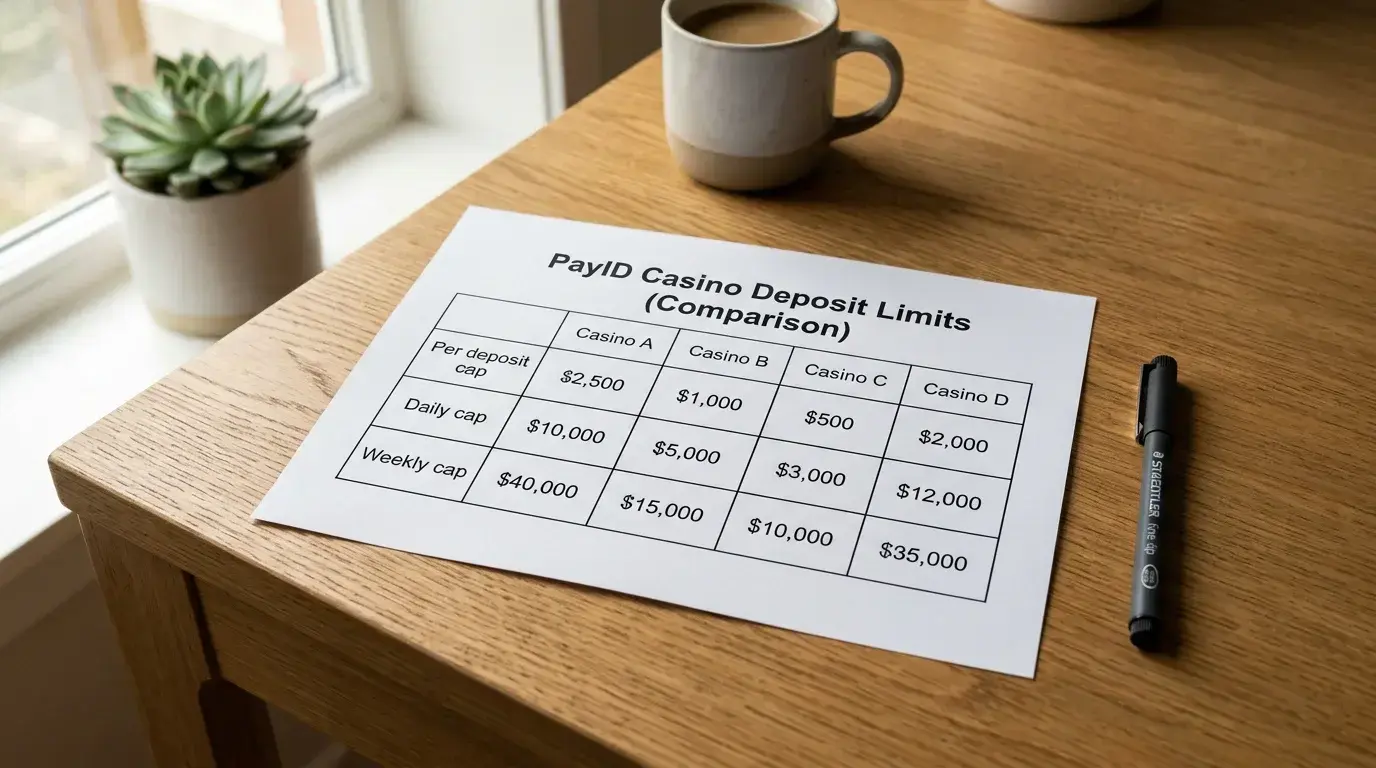
Casino-side limits are separate and typically lower. Most operators set a minimum deposit of AU$10 to AU$20 and a maximum single deposit between AU$5,000 and AU$50,000, depending on the operator and your account status. VIP or high-roller accounts at some casinos have elevated maximums, but these require verification and relationship history with the operator.

The effective limit is whichever is lower — your bank’s cap or the casino’s cap. If your bank allows AU$5,000 per day but the casino caps deposits at AU$2,000, you can only deposit AU$2,000. Conversely, if the casino accepts AU$10,000 but your bank limits transfers to AU$3,000, you are capped at AU$3,000 unless you adjust your bank settings.
Setting Your Own Deposit Limits as a Safety Net
Beyond the institutional limits, most reputable casinos offer player-configurable deposit limits — daily, weekly, or monthly caps that you set yourself. Once a deposit limit is set, increases typically require a cooling-off period of 24 to 72 hours before taking effect. Decreases, by contrast, apply immediately. This asymmetry is deliberate — it prevents impulsive limit increases during a session while allowing instant access to lower limits when you want to tighten control.
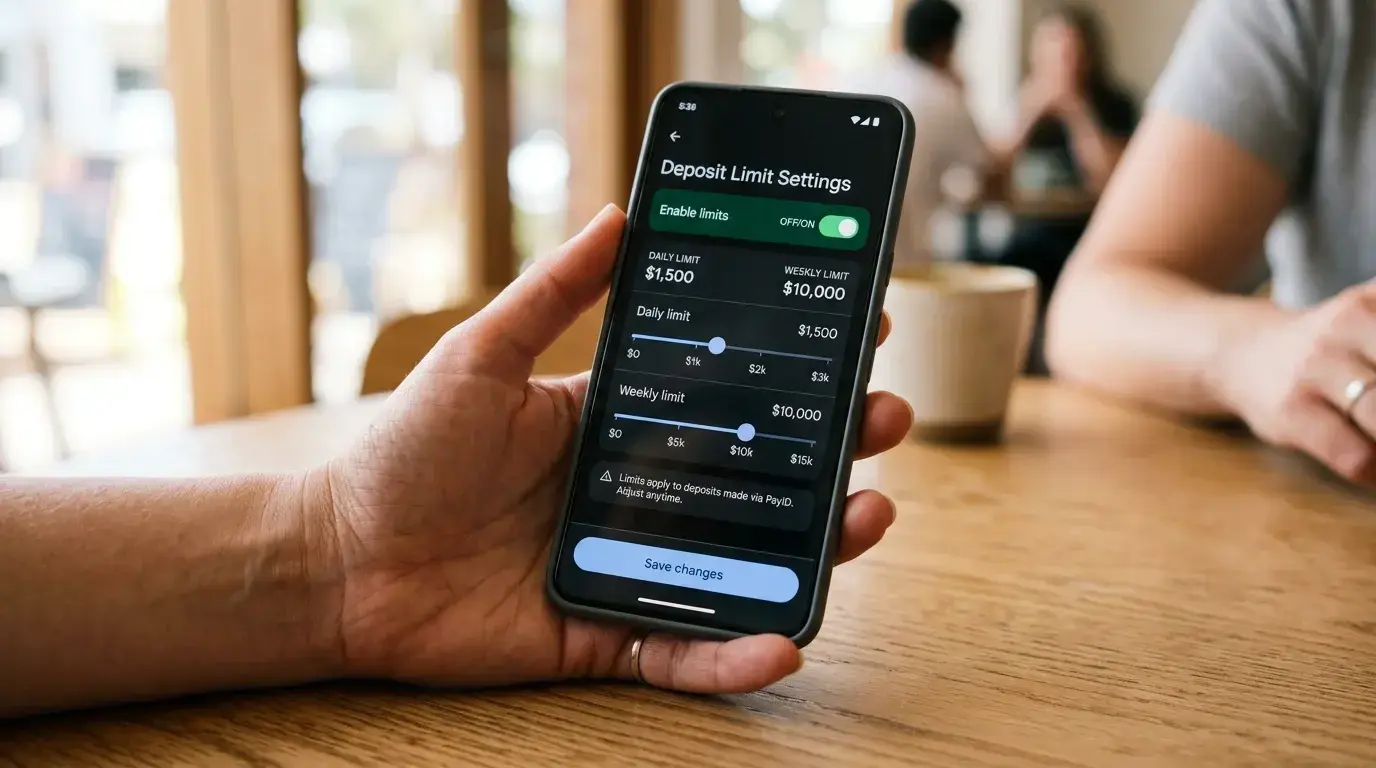
PayID’s bank-level transaction history adds another dimension of visibility. Every deposit appears in your banking app with a timestamp, amount, and recipient name. Unlike card transactions that may take days to post, PayID transactions appear in real time. This means you can review your gambling expenditure directly in your bank app without waiting for statement cycles — a transparency advantage that supports self-managed budgets.
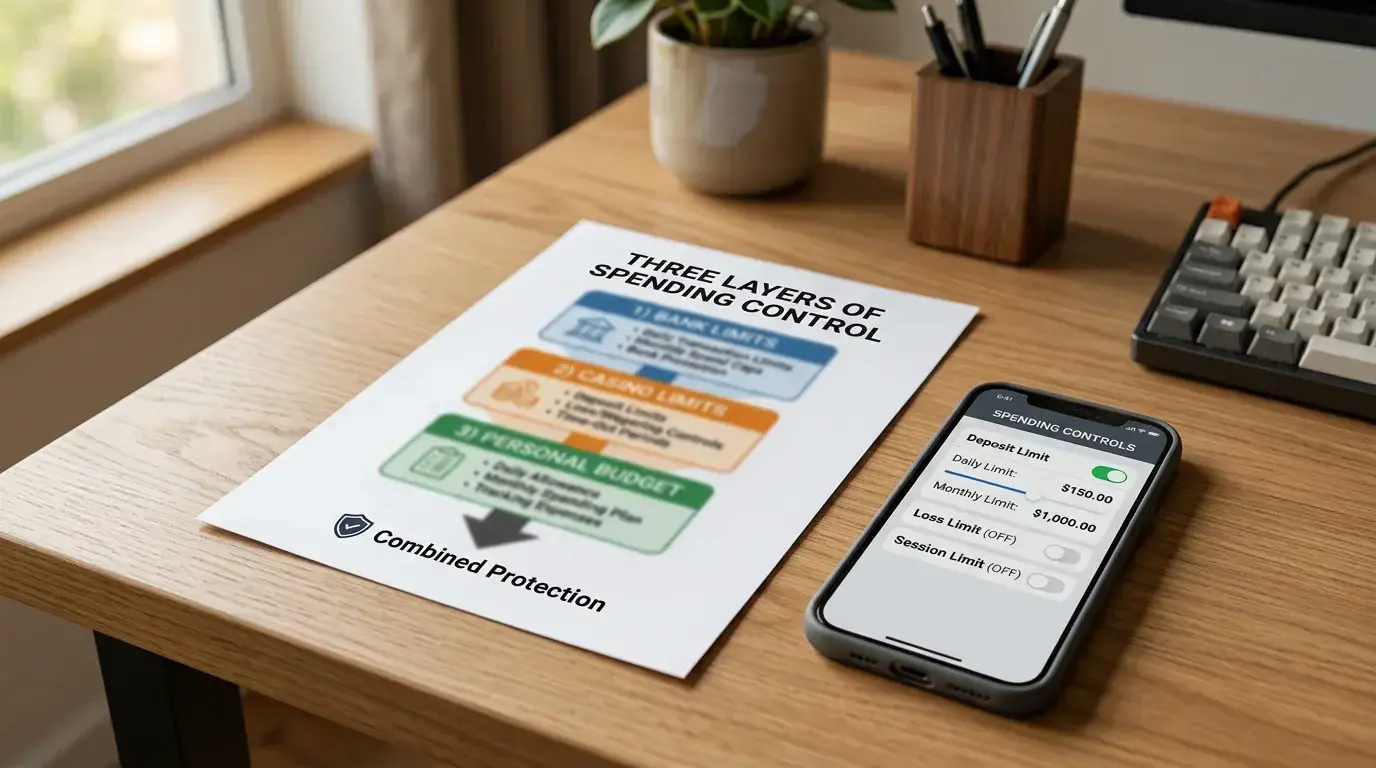
The combination of bank limits, casino limits, and self-set player limits creates three independent checkpoints. I recommend using all three. Set your bank’s daily transfer limit to a level that reflects your total discretionary budget, not your total available balance. Set a casino-specific weekly deposit limit that caps your gambling expenditure. And use the bank app’s transaction history as a running tally rather than relying on the casino’s balance display alone.
For players specifically looking for low-threshold options, the AU$10 minimum deposit guide covers operators that accept small PayID deposits.