
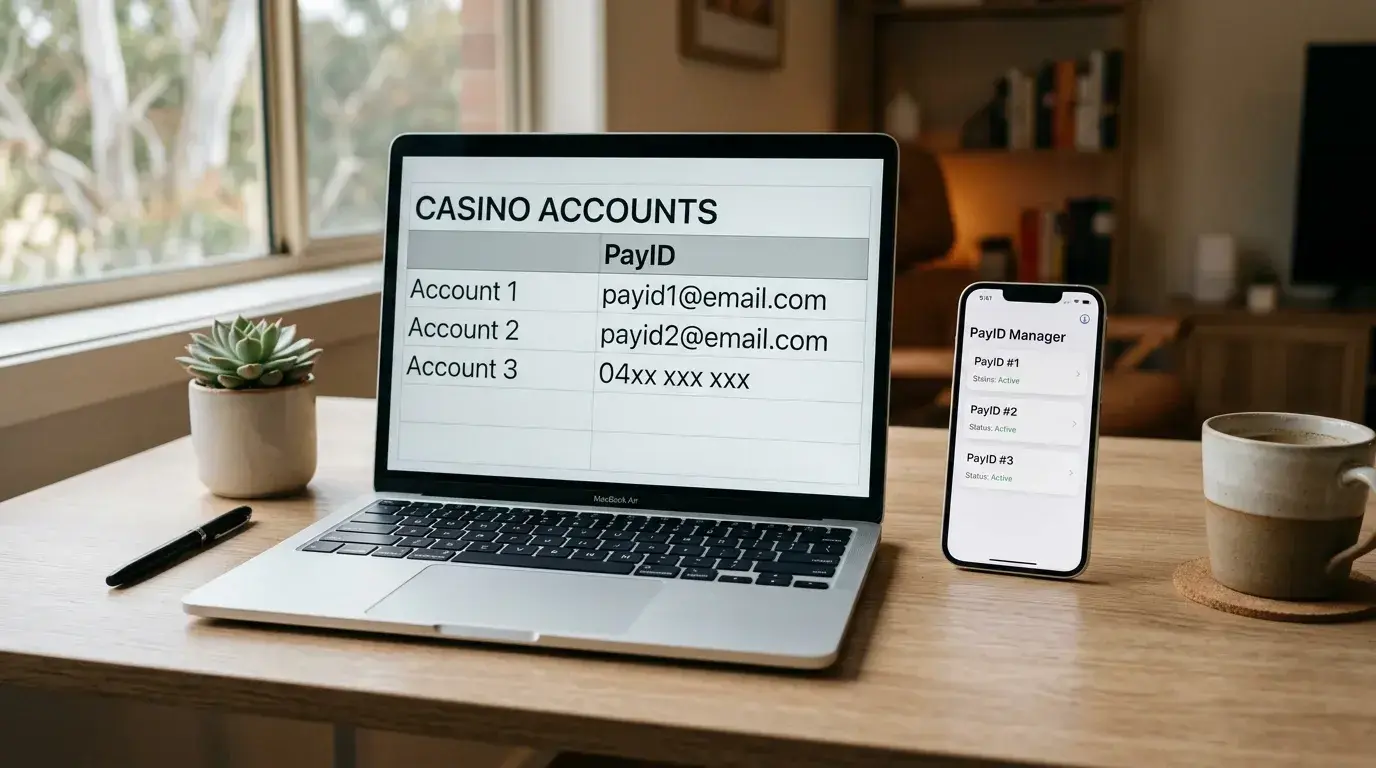
With more than 27 million PayID registrations across Australia, it is clear that many people hold more than one identifier. The system allows it — you can register your phone number as a PayID with one bank and your email address with another. But when multiple PayIDs meet the KYC requirements of online casinos, things get complicated in ways that most players do not anticipate until their withdrawal is held for manual review.
I have seen this scenario play out repeatedly in my work tracking payment flows for iGaming operators. A player registers at Casino A using a PayID linked to their NAB account, then signs up at Casino B using a different PayID linked to CommBank. Both accounts are legitimate, both PayIDs are real, but the name discrepancies or account details trigger flags that delay withdrawals and sometimes freeze accounts entirely.
How Multiple PayIDs Work Within the NPP System
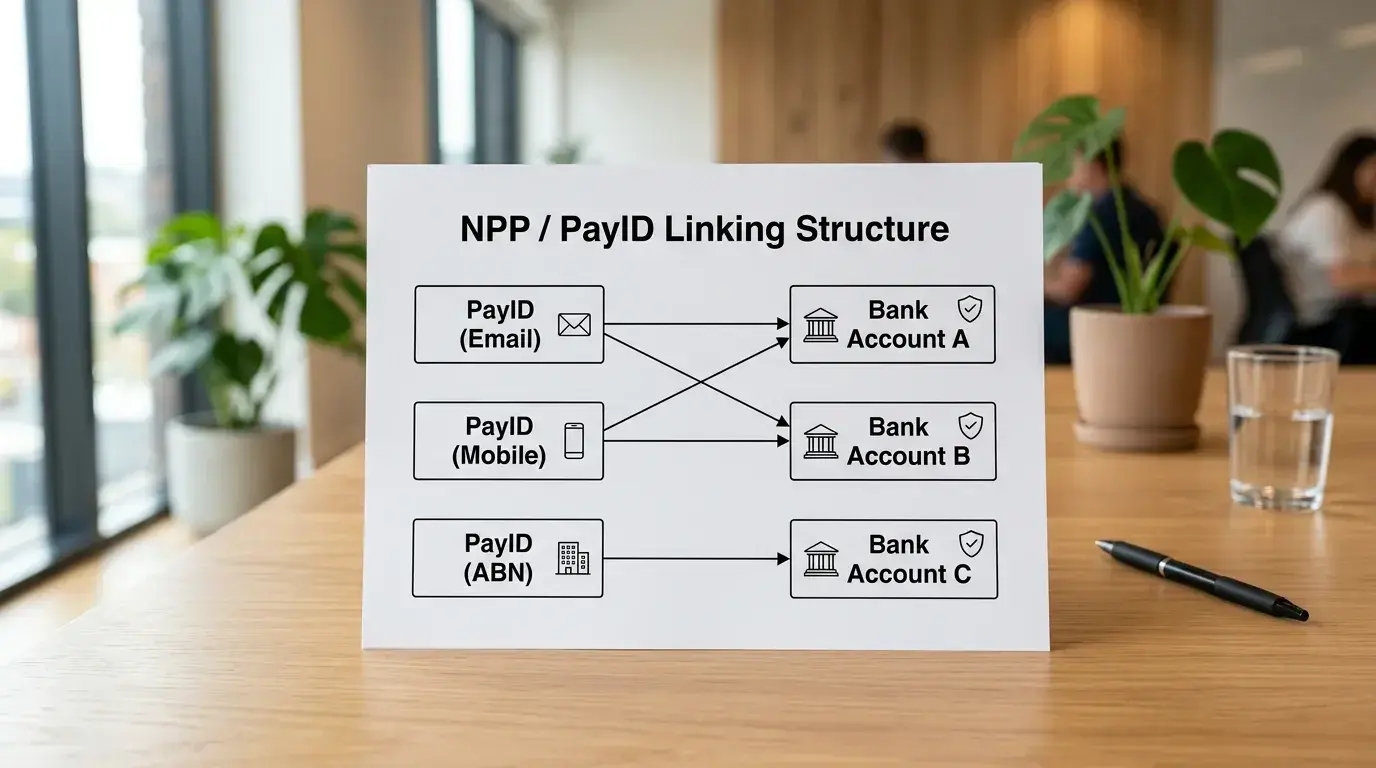
The NPP allows each bank account to have one PayID linked at a time per identifier type. You can register your mobile number with Bank A and your email with Bank B — that gives you two PayIDs pointing to two different accounts. You can also register both your phone and email with the same bank, giving you two identifiers for one account. The system is flexible by design.
One in four PayID users has stopped or edited a payment after seeing the confirmation screen, according to NPP Australia’s survey of 2,500 consumers and businesses. That confirmation screen — which displays the registered name of the recipient — is the same mechanism that casinos rely on to verify that the person sending money matches the name on the casino account. When you use different PayIDs from different banks, the registered display names may have slight variations. One bank might list you as “John A Smith” while another has “John Smith.” These differences, minor as they seem, can trigger manual review at the operator’s end.
There is no rule within the NPP system that prevents you from using multiple PayIDs for gambling. The restrictions come from the casino side, not the payment rail.
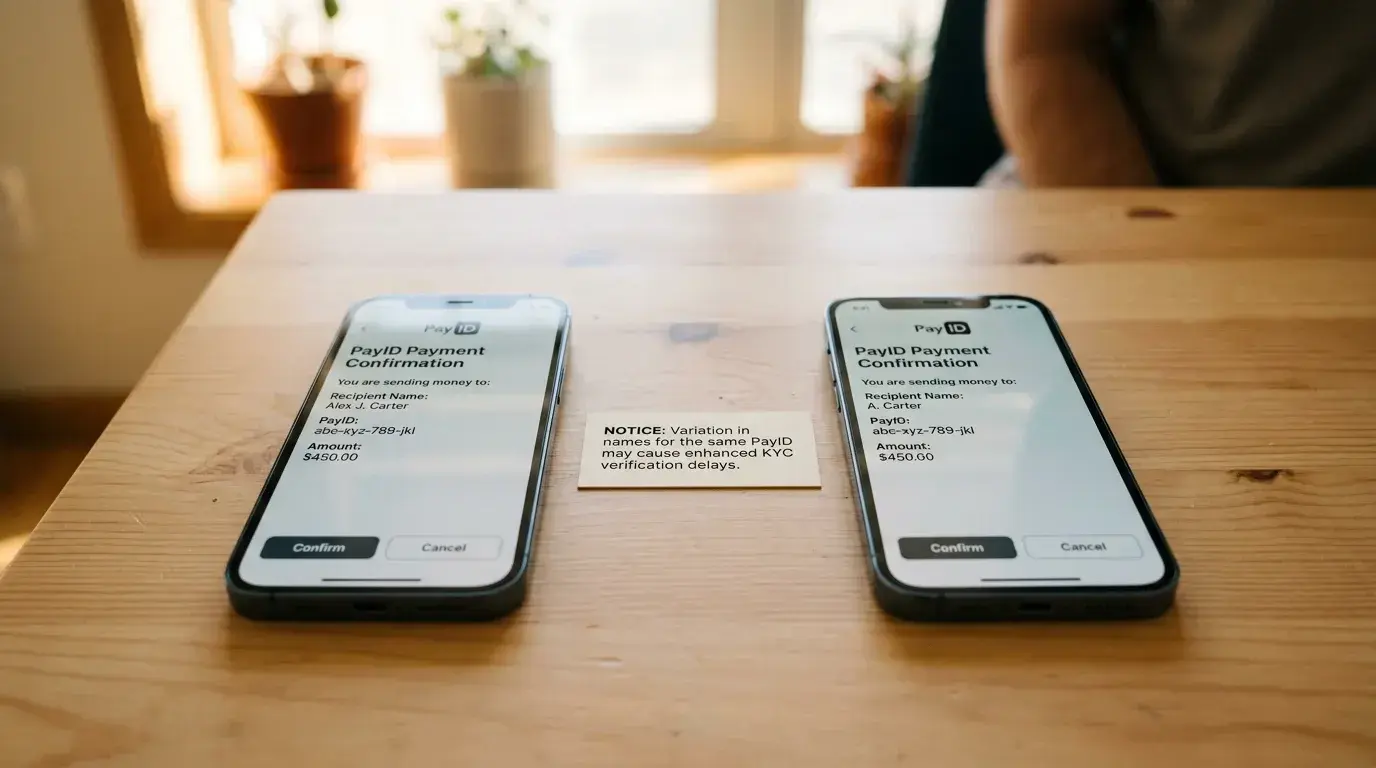
KYC and Name-Matching Challenges With Multiple PayIDs
Every reputable casino requires that your deposit method, your account name, and your identity documents all match. This is a regulatory requirement under anti-money laundering rules, not an arbitrary policy. When you deposit from PayID A (phone number, NAB, “J. Smith”) at one casino and then try to withdraw to PayID B (email, CommBank, “John Andrew Smith”), the operator’s compliance system sees a potential mismatch. The withdrawal gets flagged for manual review.
The practical consequences range from minor delays to account suspension. In mild cases, the casino contacts you to verify both PayIDs belong to the same person — you provide matching ID documents, and the withdrawal proceeds after a day or two. In more severe cases, particularly at operators with aggressive fraud prevention, using a different PayID for withdrawals than for deposits can trigger a full account freeze pending investigation.
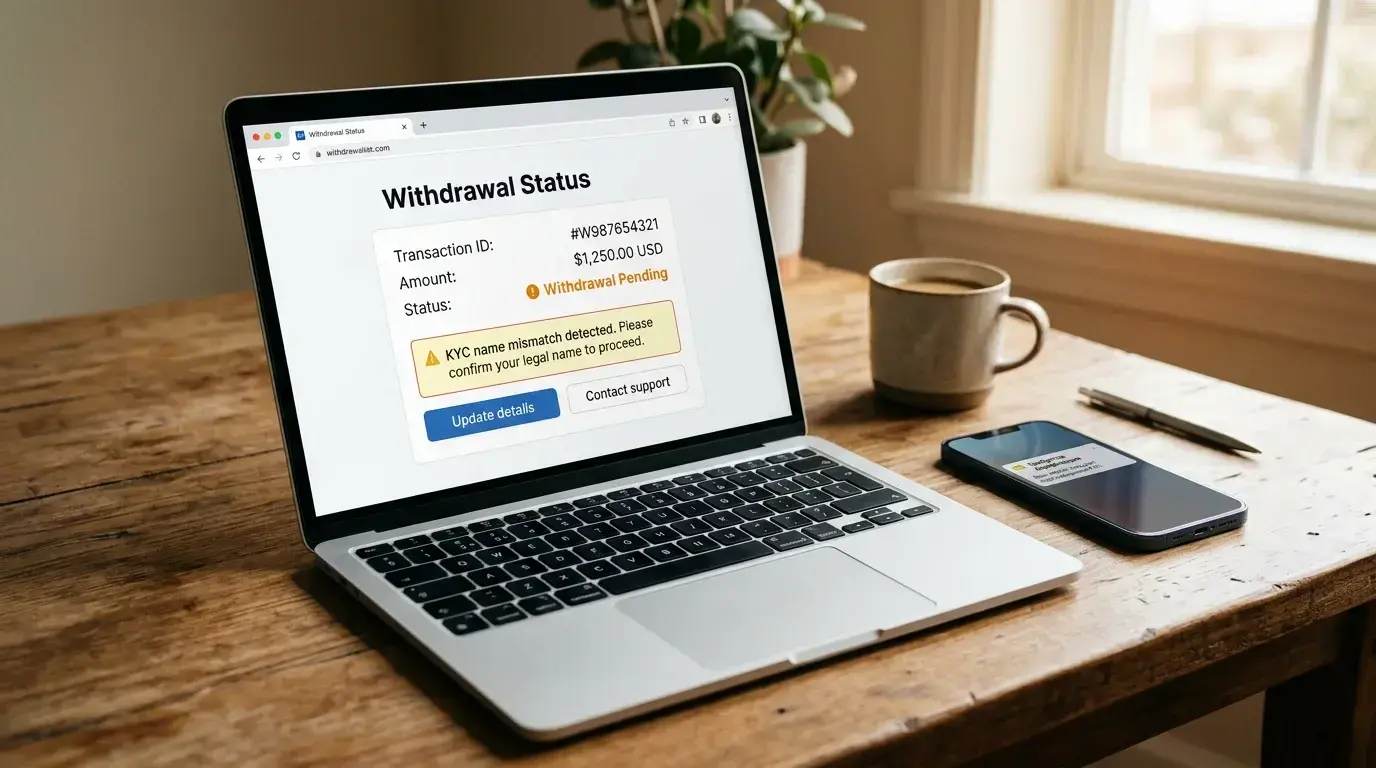
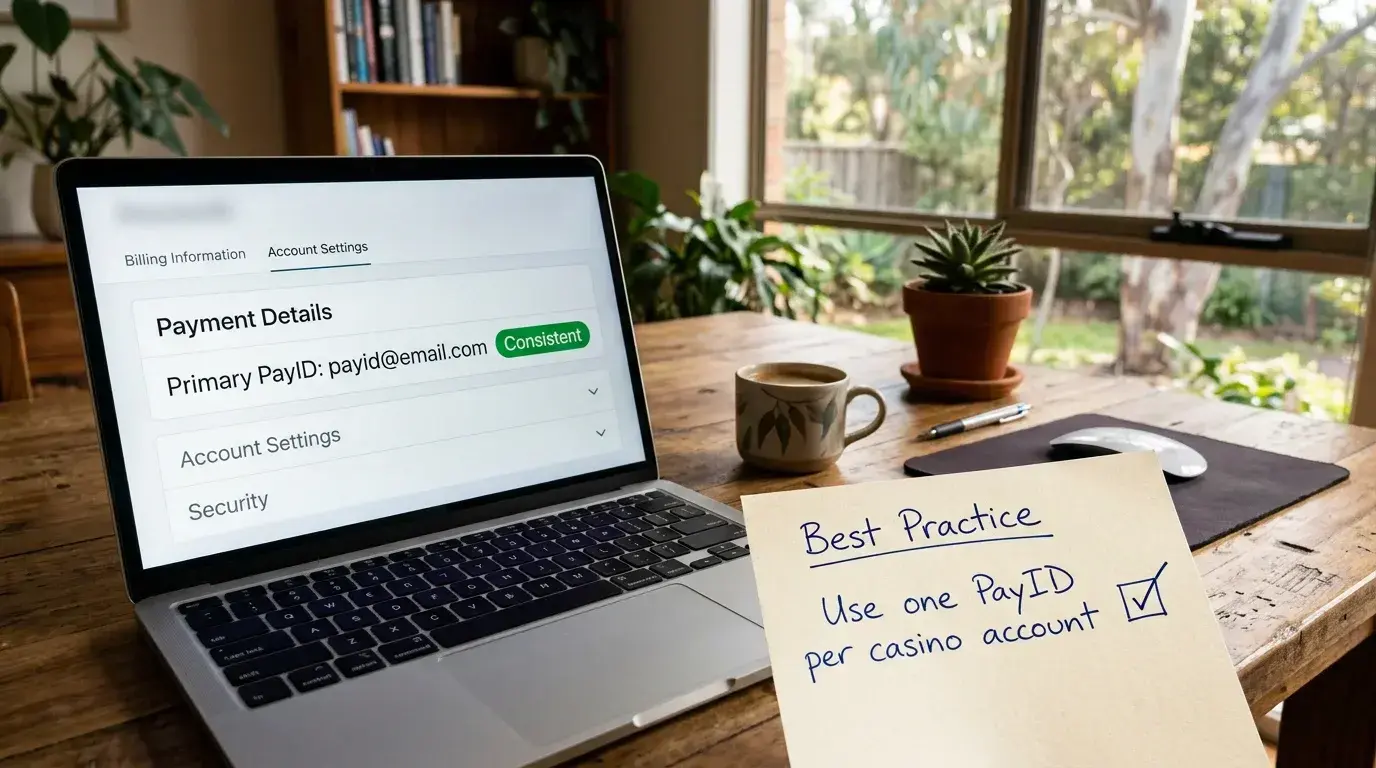
I recommend a simple rule: use one PayID per casino, and make sure the display name exactly matches the name on your casino account. If you want to use different casinos, you can use different PayIDs at each — but keep the mapping consistent. Do not deposit with one PayID and withdraw to another at the same operator unless you have explicitly confirmed with support that both are verified on your account.
There is also a strategic consideration around account linking. If an operator detects that two seemingly separate accounts are receiving deposits from PayIDs registered to the same person, they may conclude you are running multiple accounts — a violation of most casino terms of service. This is particularly relevant for bonus abuse detection. Operators cross-reference PayID details, IP addresses, and device fingerprints to identify multi-accounting, and PayID’s real-name verification makes this cross-referencing more effective than it would be with anonymous payment methods.
The setup guide for PayID at casinos walks through the registration process for each bank, including how to choose the right identifier for your casino activity.